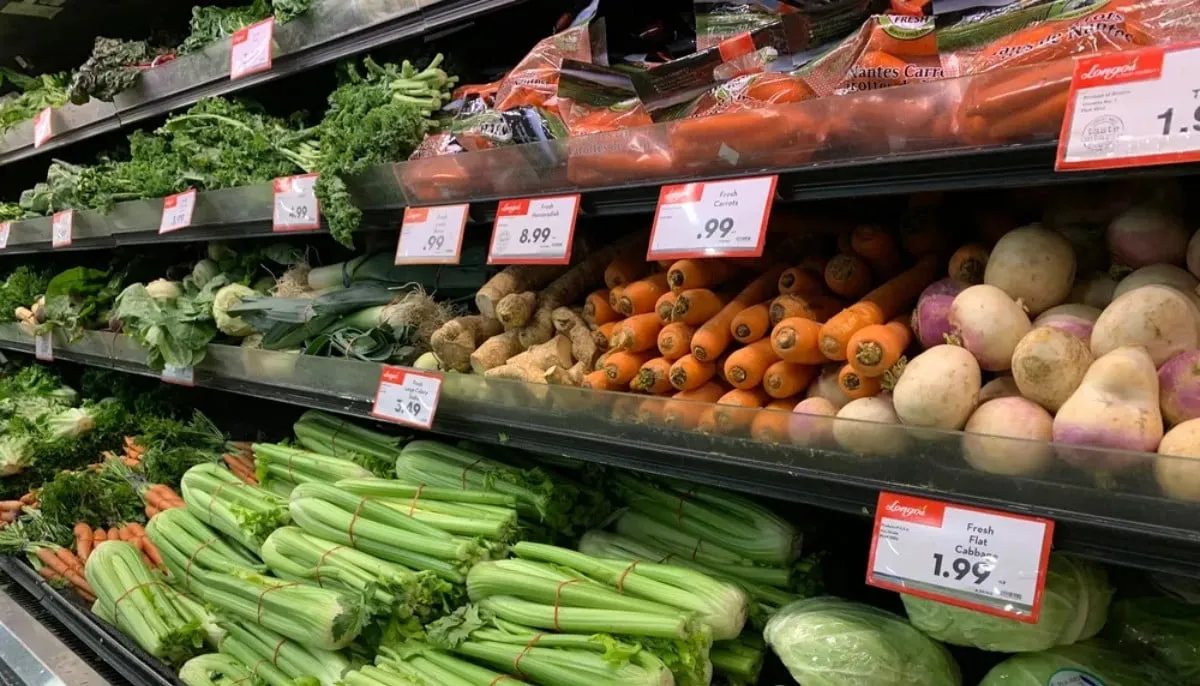
Rising food prices are forcing more Canadians to seek support, with thousands lining up for free groceries in Calgary. Grocery prices rose 4.4 percent year on year according to Statistics Canada.
The situation paints a stark picture. Volunteers handed out around 80,000 pounds of potatoes at a recent distribution event. The queue for these free groceries stretched for blocks, with some people waiting over an hour.
As Evan Godfrey aptly put it, “The cost of groceries has basically doubled, compared to most of my other bills.” This sentiment resonates widely—many families find themselves grappling with escalating costs.
Food inflation is not just a local issue. Average inflation for food and beverage companies surged 7.9% year over year in March, marking the biggest jump in at least twelve months. Tomatoes saw the largest price jump of 102% year over year. Higher fuel costs and fertilizer costs—urea prices have doubled to approximately $900 per metric ton—are contributing factors.
Darshan Khunkhun noted, “For some people, this is absolutely necessary. For other people it may not be absolutely necessary, but what it does is it gives them this little bit of flexibility.” It’s an unsettling reality when basic needs become a luxury.
Observers point out that income has lagged behind inflation for years. Moshe Lander stated, “If you take a look at the data, our income has been lagging behind inflation for years. That’s where the problem lies.” It’s a cycle that leaves many vulnerable.
In this context, Calgary’s demand for food aid serves as a microcosm of broader economic struggles faced by Canadians. As food inflation continues to escalate—especially in the U.S.—the pressure on grocery bills will likely intensify.