What the data shows
The recent surge in fixed mortgage rates raises a critical question: how will this impact borrowers and the housing market? The answer is significant, as rising rates are likely to increase monthly payments for new buyers and raise renewal costs for millions currently on pandemic-era mortgage terms.
Currently, the U.S. 30-year mortgage rate stands at 6.30%, a notable increase that has led to a 19% drop in refinance applications week over week. This decline indicates that higher rates are effectively sidelining many potential borrowers who might have otherwise sought to refinance their existing loans.
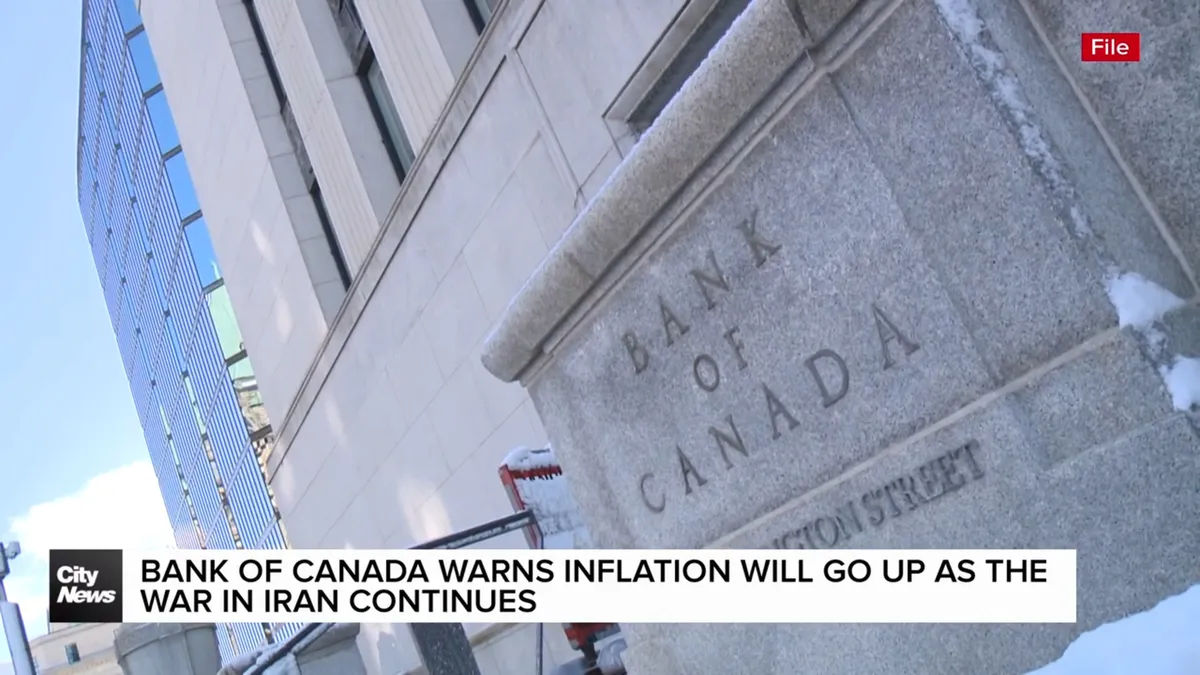
The backdrop to this increase is multifaceted. The ongoing war in Iran has created economic shocks globally, leading to heightened inflation expectations and higher global yields. As Edward Djan from the Bank of Canada noted, “Expect global inflation to get higher in the near-term with the war in Iran, that’s the message from the Bank of Canada as it keeps its key interest rate the same.” This sentiment reflects a broader concern that economic stability is under threat, which in turn influences mortgage rates.
In Canada, fixed mortgage rates closely track the Government of Canada 5-year yields, which often move in tandem with U.S. Treasuries. Despite rising inflation expectations, the Bank of Canada has maintained its key interest rate, leaving many to wonder how long this can continue without adjustments. The OSFI stress test further complicates the situation, requiring borrowers to qualify at a higher rate than their contract, often adding two points to the contract rate. This requirement can push some borrowers toward shorter terms or necessitate higher down payments to secure approvals.
Recent data shows that the two-year swap rate increased from 3.603% to 4.03% between March 2 and March 16, 2026. Concurrently, the average rate on a new two-year fixed-rate mortgage rose from 4.78% on January 16, 2026, to 5.20% by March 16, 2026. Such increases indicate that markets are bracing for further rate hikes, as suggested by Adam French, who stated, “The swap rate can be taken as an indication that markets are expecting at least a 0.25 percentage point rise over the next five years.”
The implications of these rising fixed mortgage rates are profound. Higher rates not only increase monthly payments for new buyers but also raise renewal costs for existing borrowers. This situation could slow down originations and refinancing, impacting fee income for lenders. As higher rates reduce the number of borrowers who can benefit from refinancing, the overall activity in the housing market may decline, leading to a more cautious approach from both lenders and borrowers.
As the situation evolves, it remains to be seen how long these trends will persist and what further economic shocks might occur as a result of the ongoing conflict in Iran. Details remain unconfirmed regarding the long-term trajectory of mortgage rates and their impact on the housing market. However, one thing is clear: the current landscape is challenging for borrowers, and the ramifications of these fixed mortgage rates increase are likely to be felt for some time.