The wider picture
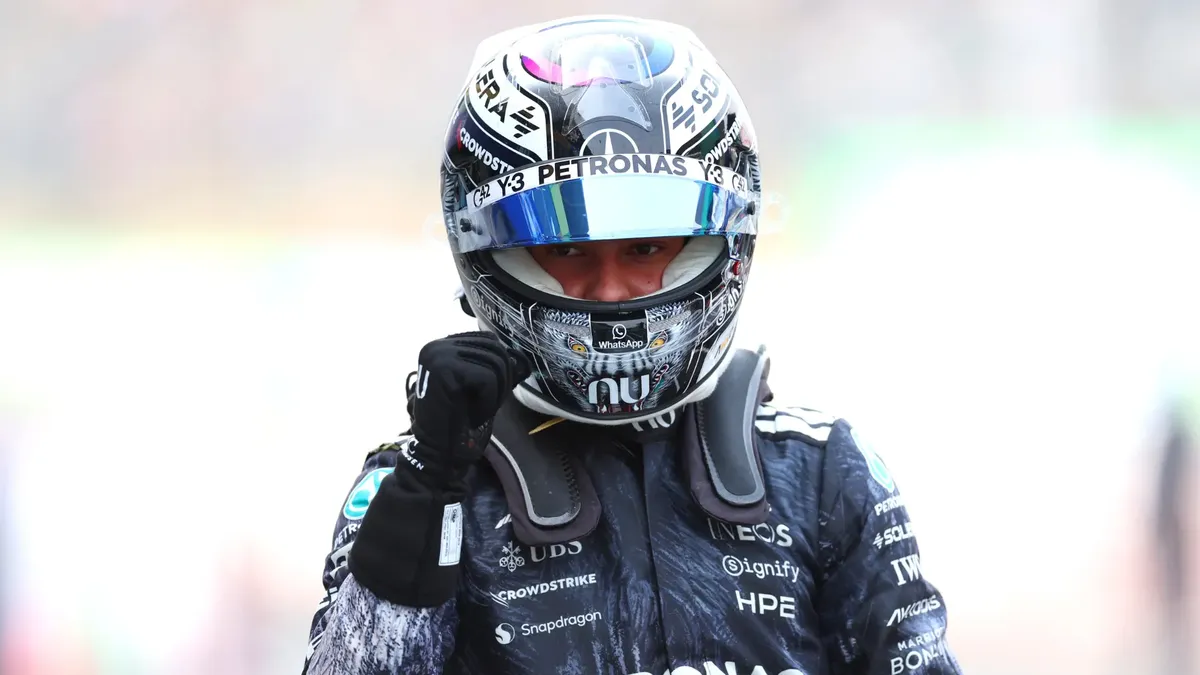
In a dramatic turn of events at the Suzuka circuit, Kimi Antonelli clinched pole position for the Japanese Grand Prix during the latest F1 qualifying session. This achievement is particularly significant given the recent adjustments made by the FIA regarding energy harvesting rules, which have stirred considerable debate among drivers and teams alike.
The FIA’s decision to reduce the maximum permitted energy recharge for qualifying from 9.0 MJ to 8.0 MJ was implemented in response to driver concerns about the impact of energy management on performance. This change has been met with mixed reactions, with some drivers expressing frustration at the perceived slowdown in their cars. As George Russell articulated, “something doesn’t feel quite right” regarding the new regulations.
Antonelli’s lap time of 1:28.778 placed him ahead of George Russell, who qualified second with a time of 1:29.076, a gap of 0.298 seconds. Oscar Piastri followed closely in third, clocking in at 1:29.132. The qualifying session, however, was not without its surprises; reigning champion Max Verstappen faced an unexpected elimination in Q2, a development that has left many observers questioning the implications for his championship aspirations.
Other notable qualifiers included Charles Leclerc in fourth with a time of 1:29.405, and Lando Norris in fifth at 1:29.409. Lewis Hamilton managed to secure sixth place with a time of 1:29.567, while Pierre Gasly, Isack Hadjar, Gabriel Bortoleto, and Arvid Lindblad rounded out the top ten qualifiers. The competitive nature of this session underscores the tight margins that define F1 qualifying, where every millisecond counts.
Max Verstappen’s remarks about the new energy rules, describing them as “Formula E on steroids,” highlight the growing concern among drivers regarding the direction of the sport. This sentiment was echoed by Oliver Bearman, who stated, “I mean it’s just making us even slower,” indicating a broader frustration with the FIA’s recent changes.
The FIA has defended its decision, stating that “This adjustment reflects feedback from drivers and teams,” suggesting that the governing body is attempting to balance performance with sustainability. However, the effectiveness of these changes remains to be seen as teams adapt to the new energy constraints.
As the race weekend progresses, observers will be keen to see how these qualifying results translate into race performance. With Antonelli starting from pole, the pressure will be on him to convert this advantage into a race victory. Meanwhile, Verstappen’s unexpected setback raises questions about his ability to recover and contend for points in the championship.
In the coming hours, teams will analyze data and strategize for the race, while fans eagerly await the action on the track. The implications of the FIA’s energy recharge adjustments will likely continue to be a topic of discussion, as the sport navigates the balance between performance and sustainability.