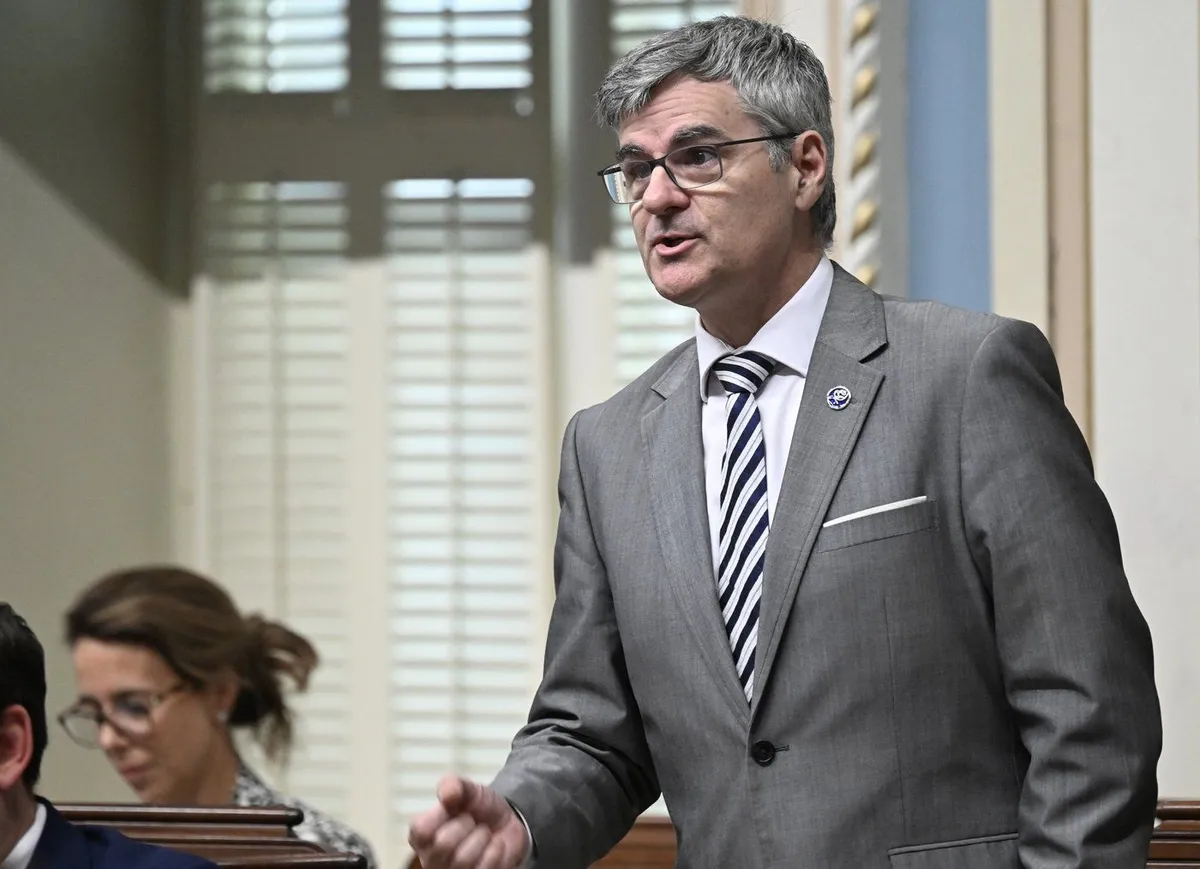
As the political landscape in Quebec continues to evolve, Éric Caire has made a significant announcement: he will not seek another mandate after 19 years in politics. This decision, effective March 26, 2026, marks the end of a notable chapter in his career, which began when he was first elected in 2007 under the banner of the Action démocratique du Québec.
Caire’s political journey has been marked by a commitment to activism, having accumulated 27 years of active involvement within the third way. In 2011, he transitioned to the Coalition Avenir Québec, a move that would define much of his subsequent political career.
His tenure saw him take on significant roles, including becoming the Minister Delegate for Government Digital Transformation in 2018 and later the Minister of Cybersecurity and Digital Affairs in 2022. However, his departure from the ministerial position is linked to the ongoing SAAQclic scandal, which has cast a shadow over his recent accomplishments.
Reflecting on his time in politics, Caire stated, “It is difficult to get into politics. It is just as difficult to last in it. The most difficult thing, however, remains getting out.” This sentiment resonates with many who have navigated the complexities of political life.
Despite stepping back from active politics, Caire remains a proud member of the CAQ, expressing his belief in the necessity of the third way that he and many others have worked to build over the past three decades. His commitment to this vision underscores the ideological foundations that have guided his career.
Caire’s political journey has not been without its challenges. In 2009, he attempted to become the leader of the Action démocratique du Québec but lost to Gilles Taillon, a setback that did not deter his ambitions.
As he prepares to leave the political stage, the implications of Caire’s departure are significant for both his party and the broader political landscape in Quebec. His absence will undoubtedly be felt, particularly in the realms of digital transformation and cybersecurity, where he has played a pivotal role.
Currently, the Coalition Avenir Québec faces the challenge of filling the void left by Caire’s departure. His contributions have been instrumental in shaping policies that resonate with the electorate, and finding a successor who can maintain this momentum will be crucial.
In summary, Éric Caire’s decision not to seek re-election is a poignant reminder of the transient nature of political careers. As he steps away, the future of his party and the initiatives he championed will be closely watched.