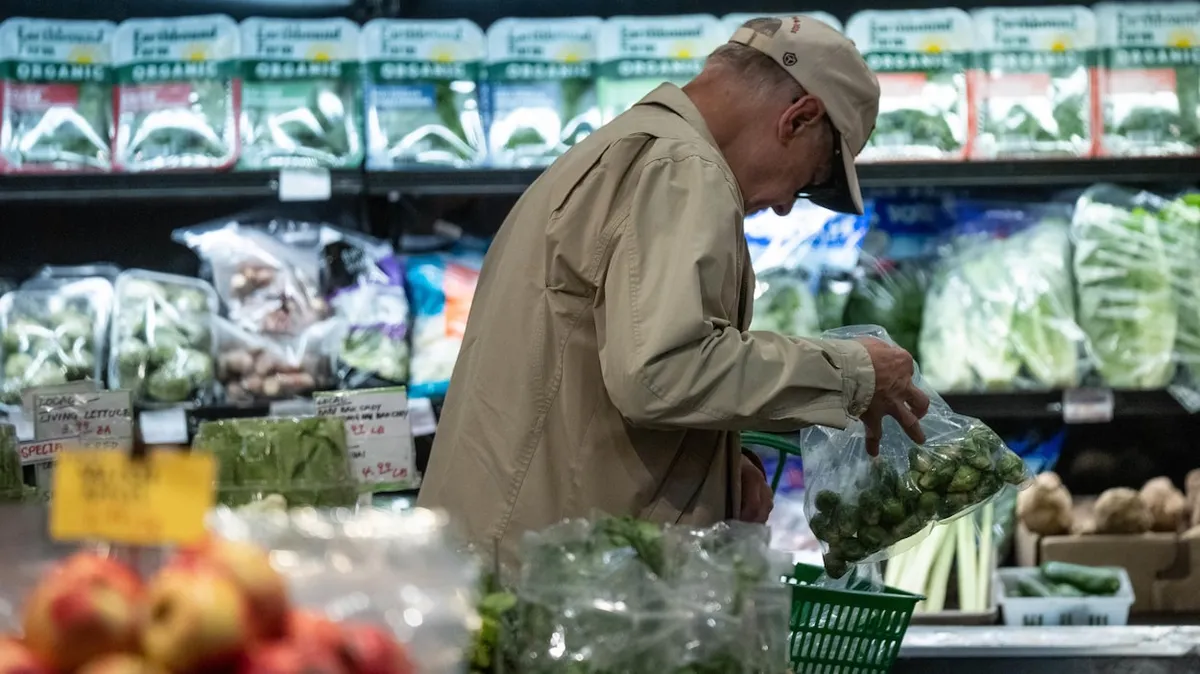
As discussions around food accessibility intensify, Toronto is at the forefront of a potential transformation in how groceries are provided to its residents. Just before the key development on April 7, 2026, the city was contemplating the establishment of four municipal supermarkets aimed specifically at low-income neighborhoods. This initiative is part of a broader conversation about food security, particularly in urban areas where access to affordable groceries is often limited.
On the same day, Avi Lewis, a prominent advocate for food justice, proposed a network of state-subsidized grocery warehouses that would focus on offering local products. The initial investment for this ambitious grocery network is estimated at a staggering $350 million, with annual operating costs projected to reach around $290 million. The proposed model aims to reduce grocery prices significantly, with potential reductions of 30% in large cities and even 45% in northern communities. Such price cuts could lead to substantial savings for families, estimated between $2,500 and $10,000 annually.
These discussions are not occurring in isolation. The idea of government-managed supermarkets has re-emerged in public debate, particularly in Toronto and New York, as cities grapple with the challenges of food deserts and rising living costs. Anna Paskal, a key figure in these discussions, emphasized the financial implications, stating, “Le gouvernement paierait pour le loyer, pour les gens qui travaillent, pour l’électricité et, en plus, ne devrait pas redonner les profits, donc ça pourrait réduire le coût des épiceries de 30 % à 45 % selon où les gens vivent.” This statement underscores the potential for government intervention to reshape the grocery landscape.
Meanwhile, in Saguenay–Lac-Saint-Jean, a local grocery store faced an unexpected crisis when a portion of its roof collapsed. Fortunately, no injuries were reported, but the incident has raised concerns about the store’s future. The owners are currently evaluating the possibility of a partial reopening within one to two weeks, a timeline that reflects the community’s resilience and support for the business. Samuel Pilote, a local representative, noted, “Tout de suite quand le drame s’est produit, on a eu des appels de la mairie, des conseillers municipaux […] Tout le monde était prêt à nous aider.” This response illustrates the vital role that grocery stores play in the fabric of local communities.
The community’s rallying support is evident, with local residents emphasizing the importance of the grocery store as an essential service. Pier-Luc Gilbert remarked, “La communauté s’est tout de suite ralliée pour supporter les propriétaires. […] L’épicerie fait partie des besoins essentiels de la municipalité.” This sentiment highlights not only the emotional connection residents have with their local grocery but also the critical need for accessible food sources in times of crisis.
As Toronto moves forward with its plans for municipal supermarkets, uncertainties remain. No cost estimates or savings for the pilot project are available as it is still in the early stages. Furthermore, the exact cause of the roof collapse in Saguenay has not been officially confirmed, leaving both the store owners and the community in a state of cautious anticipation.
In summary, the developments surrounding municipal supermarkets in Toronto and the challenges faced by grocery stores in Saguenay reflect a broader trend of addressing food insecurity through innovative solutions. The outcomes of these initiatives could significantly impact the lives of many, particularly those in low-income areas, and may set a precedent for other cities grappling with similar issues.