Who is involved
As the FIFA World Cup 2026 qualifiers unfold, Denmark and North Macedonia find themselves on contrasting paths. Denmark, a team with a rich footballing history, had high expectations leading into the playoffs. They finished second in Group C, narrowly missing direct qualification after a disappointing loss to Scotland. Meanwhile, North Macedonia, a relatively new player on the international stage, managed to secure a playoff spot despite finishing third in their group. This marks only the second time North Macedonia has reached the playoffs, and they are eager to make their first-ever World Cup appearance.
The decisive moment came when Denmark faced North Macedonia in a playoff match at Parken Stadium in Copenhagen. Denmark showcased their strength with a commanding 4-0 victory, a stark contrast to North Macedonia’s recent struggles, including a staggering 7-1 defeat to Wales in their last match before the playoffs. This result not only highlighted Denmark’s dominance but also underscored the challenges faced by North Macedonia as they attempted to compete against a more established footballing nation.
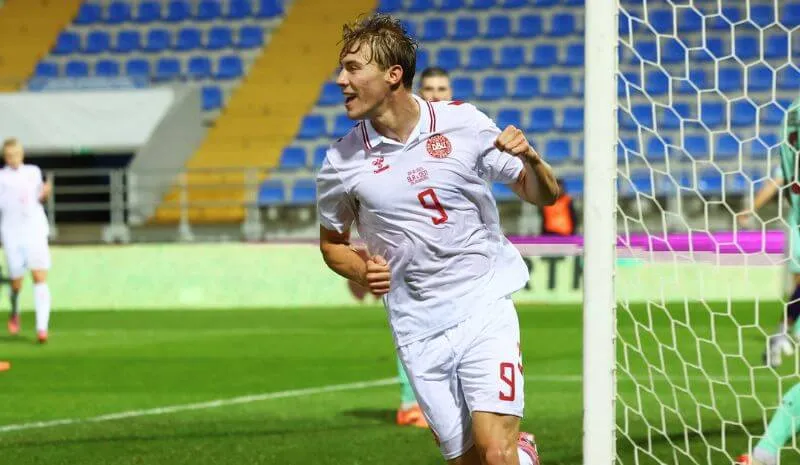
The immediate effects of this match were significant for both teams. For Denmark, the victory reaffirmed their status as a formidable contender in the qualifiers, with Rasmus Hojlund continuing his impressive form by scoring in each of Denmark’s last four games leading up to this match. In fact, Hojlund was the top scorer in Group C during the qualifiers, netting five goals. This performance not only boosted the team’s morale but also set a positive tone as they look to secure their place in the World Cup.
On the other hand, North Macedonia’s defeat raised questions about their ability to compete at this level. Despite their playoff appearance being a significant achievement, the loss against Denmark revealed the gap in quality and experience between the two sides. The team, which lined up in a 3-5-2 formation, struggled to contain Denmark’s attacking prowess, which was evident in their average of 8.7 corners per match during the qualifiers. This match served as a harsh reminder of the challenges they face as they strive for greater success on the international stage.
Experts have weighed in on the implications of this match for both teams. Analysts suggest that while Denmark may have fallen short of direct qualification, their playoff path presents a clear opportunity to reassert their quality and aim for a strong showing in the World Cup. The team’s depth, highlighted by players like Mikkel Damsgaard and Kasper Schmeichel, positions them well for future matches. In contrast, North Macedonia’s journey, while commendable, may require a reevaluation of their strategies and player development to compete effectively against stronger teams.
Looking ahead, Denmark needs to maintain their momentum, with only two matches left to secure their World Cup qualification. The pressure is on as they aim to capitalize on their recent success and avoid any slip-ups that could jeopardize their chances. Meanwhile, North Macedonia must regroup and learn from this experience, focusing on building a more competitive squad for future qualifiers.
In summary, the clash between Denmark and North Macedonia not only showcased the current state of both teams but also highlighted the broader narrative of footballing development in Europe. As Denmark continues to assert their dominance, North Macedonia’s aspirations for growth and success remain a work in progress, with the hope that they can one day compete on the world stage.