Quebec is undergoing a significant transformation in its recycling efforts with the gradual implementation of a new consigne system, which aims to enhance the recovery of beverage containers. This initiative, part of a broader modernization effort, is set to achieve a remarkable 90% recovery rate by 2032. Currently, the province has 143 return locations, with ambitious plans to expand this number to 1,200, reflecting a commitment to improving environmental sustainability.
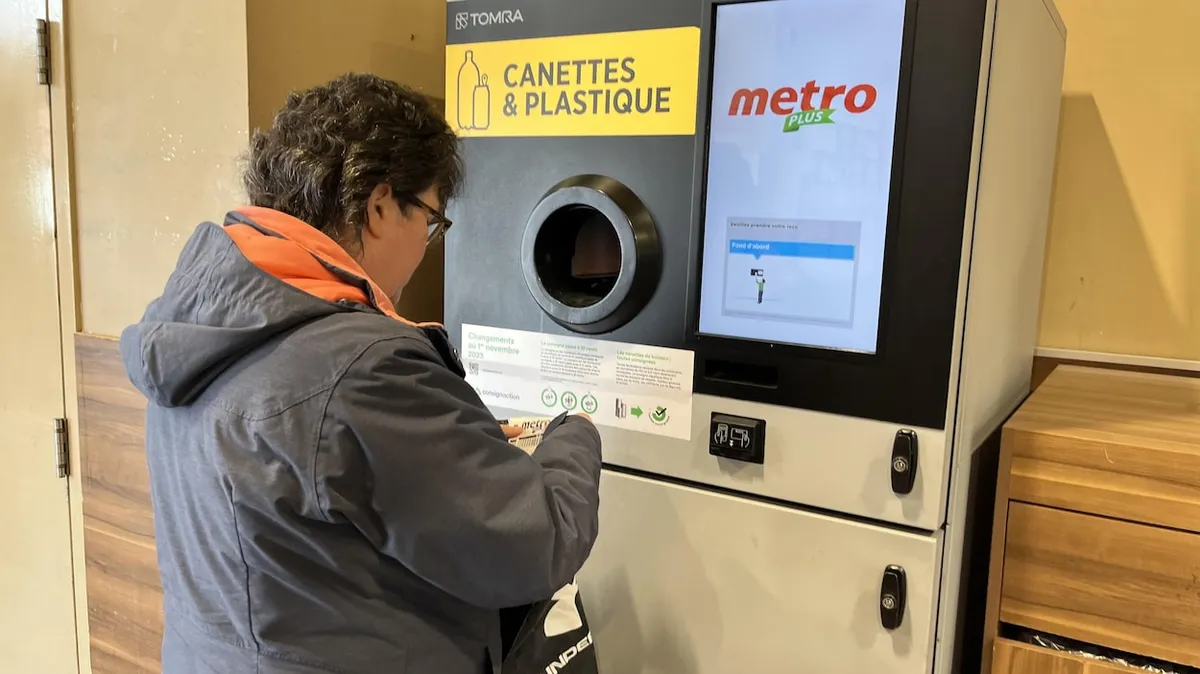
The immediate circumstances surrounding this transition include the removal of machines for returning deposit bottles and cans from grocery stores, a move that has raised concerns among consumers. Marica Vazquez Tagliero, a local resident, expressed her frustration, stating, “Even a kilometer is a lot when you come with your bag,” highlighting the potential inconvenience for those wishing to return their containers. This sentiment underscores the challenges faced by the government as it seeks to implement a system that is both efficient and user-friendly.
Currently, the consigne system in Quebec recovers approximately four billion containers annually, a significant increase from the 2.5 billion containers recovered before the modernization began two and a half years ago. This increase can be attributed to the initial phase of the program, which has successfully enhanced recovery rates. However, the current system only includes aluminum and plastic containers, with carton and glass containers set to be incorporated starting in March 2027. This phased approach indicates a strategic effort to gradually expand the program while addressing logistical challenges.
In a broader context, the modernization of the consigne system is part of Quebec’s commitment to improving recycling and recovery rates across the province. The initiative aligns with the principles of the AGEC law, which mandates that by 2027, 10% of packaging must be reusable. This legislative framework aims to encourage sustainable practices among consumers and businesses alike, fostering a culture of recycling and responsible waste management.
Despite the ambitious goals, the transition to the new consigne system is not without its hurdles. Jean-François Lefort, a representative involved in the initiative, remarked, “It’s massive,” indicating the scale of the changes being implemented. The government is aware of the need for public education and support to ensure the success of the program, as consumer participation is crucial for achieving the desired recovery rates.
The first reactions to the changes have been mixed, with some consumers expressing support for the initiative while others voice concerns about accessibility and convenience. As the government continues to roll out the new system, it will be essential to address these concerns to foster public buy-in. The principle of the experimentation proposes to the consumer to return the empty container after using the product at home, which may require a shift in consumer behavior.
As Quebec moves forward with its consigne system, the focus will be on achieving the ambitious target of a 90% recovery rate by 2032. The success of this initiative will depend not only on the infrastructure in place but also on the willingness of the public to adapt to the new system. With ongoing efforts to improve accessibility and convenience, the province aims to set a benchmark for sustainable practices in beverage container management.
Details remain unconfirmed regarding the full impact of these changes on consumer behavior and overall recovery rates, but the commitment to sustainability is clear. As Quebec navigates this transition, it stands at the forefront of a movement towards more responsible environmental practices, potentially serving as a model for other regions to follow.