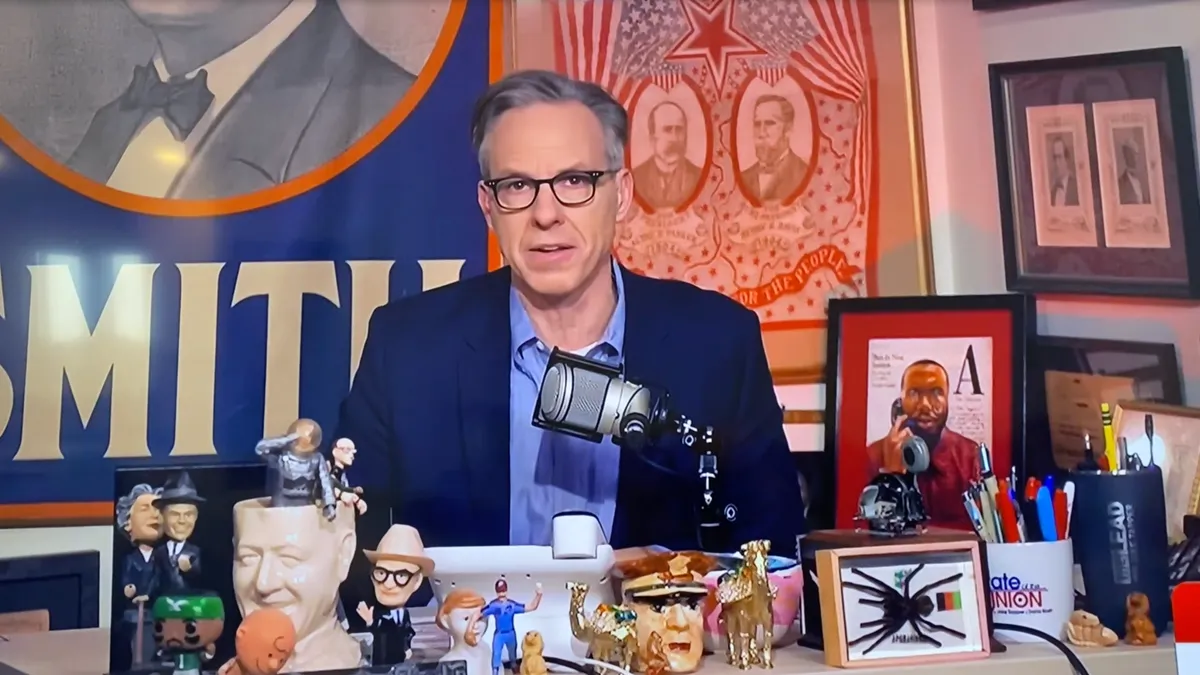
The US and Iran have been engaged in escalating conflict, with significant implications for global oil markets. As tensions rise, CNN has made a notable shift in its news presentation style, adopting a podcast-style format during a segment focused on the war with Iran. This change comes at a time when viewer preferences are increasingly leaning towards more casual and engaging media formats, prompting CNN to rethink its traditional news delivery methods.
On March 23, 2026, CNN’s Jake Tapper and Anderson Cooper hosted segments from the CNN newsroom, showcasing a more relaxed atmosphere. The new format featured podcast-style audio setups, allowing for a more conversational tone that aims to resonate with audiences seeking a break from conventional news reporting. “Here we are, giving it a shot,” Tapper remarked, hinting at the network’s willingness to experiment with its approach. He further teased, “Will we do it again? Stay tuned,” indicating that the network is open to continuing this format if it proves successful.
The segment addressed the ongoing conflict between the US and Iran, which had entered its fourth week by this date. The situation has been exacerbated by President Donald Trump’s recent announcement of a pause on military action against Iran’s power plants, following what he described as productive talks. However, Iran has denied any dialogue occurred, leading to skepticism about the true nature of these discussions. The conflict has not only heightened military tensions but has also resulted in increased violence against Palestinians in the occupied West Bank, further complicating the geopolitical landscape.
Despite the pause on military action, the Trump administration has faced criticism for its inconsistent messaging regarding the war with Iran. Observers have noted that the US stock market responded positively to Trump’s announcement, reflecting a temporary relief among investors amid the uncertainty. However, the broader implications of this conflict remain troubling, particularly concerning the Strait of Hormuz, a critical chokepoint for oil exports that could be affected by any escalation in hostilities.
As CNN navigates this new format, the effectiveness of its podcast-style approach in attracting viewers remains unclear. The network’s decision to pivot towards a more informal presentation reflects a broader trend in media consumption, where audiences increasingly favor relatable and accessible news formats over traditional, formal reporting. This shift may be a strategic move to capture a younger demographic that prefers engaging content.
While CNN’s innovative approach may resonate with some viewers, it also raises questions about the seriousness of reporting on significant global issues such as war and conflict. The juxtaposition of a casual news format against the backdrop of a serious military engagement could lead to mixed reactions from audiences. Some may appreciate the fresh perspective, while others might view it as trivializing the gravity of the situation.
As the conflict between the US and Iran continues to unfold, the outcome of potential talks remains uncertain. Details remain unconfirmed regarding the nature and effectiveness of any discussions between the two nations. Observers are keenly watching how this situation develops, particularly in light of the ongoing violence and geopolitical ramifications.
In summary, CNN’s foray into podcast-style news presentation during a time of escalating conflict highlights the network’s attempt to adapt to changing viewer preferences. However, the effectiveness of this approach in conveying the seriousness of the situation remains to be seen, as the world watches the developments between the US and Iran unfold.