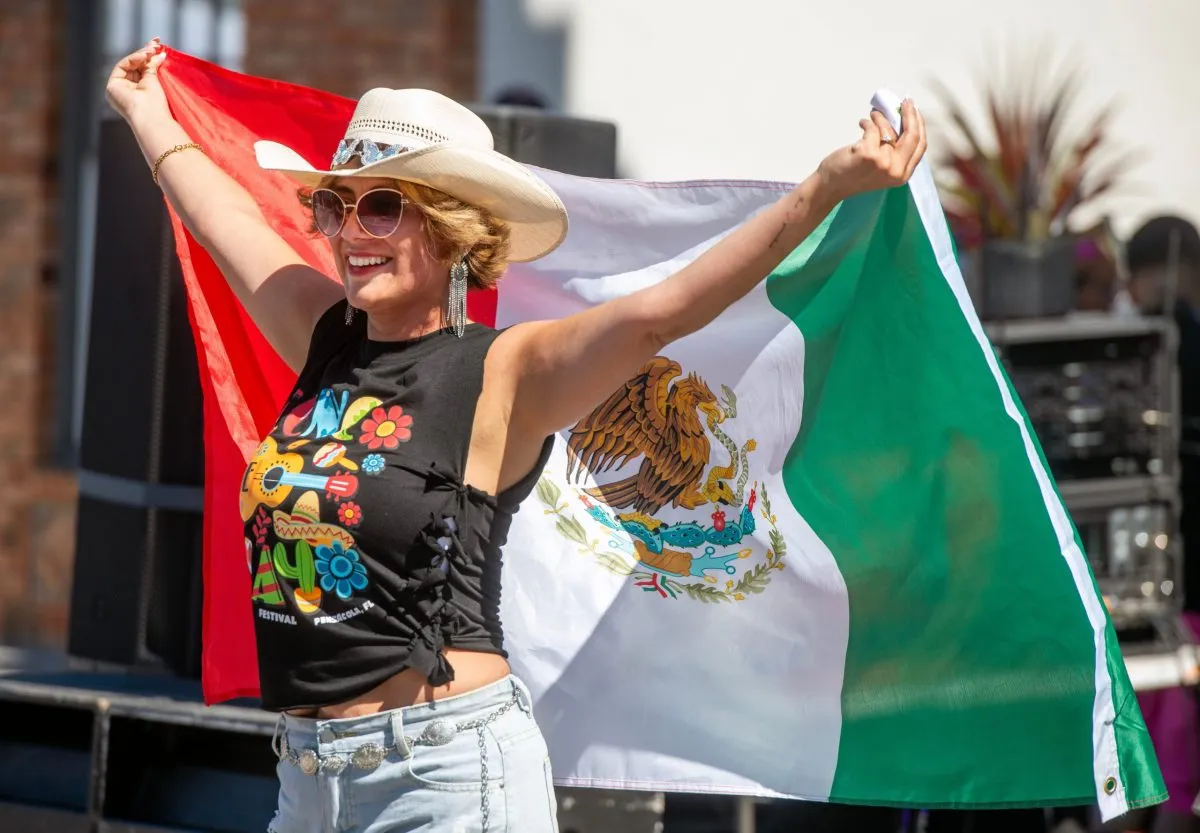
Cinco de Mayo has evolved into a major cultural celebration in the U.S.—often overshadowing its significance in Mexico. Originally commemorating the Mexican army’s victory over French forces at the Battle of Puebla on May 5, 1862, this date has transformed into a festival of Mexican culture, particularly within the Chicano Movement.
Before this transformation, Cinco de Mayo was primarily recognized in Mexico as a celebration of national pride. However, it was not widely celebrated outside its borders. The historical context—rooted in resistance against foreign intervention—has largely been lost in translation as the day became synonymous with parties and parades across American cities.
What changed? The celebration gained traction in the U.S. during the late 19th century as Mexican immigrants sought to assert their identity and resist discrimination following the Mexican-American War. Initially, it served as a rallying point for unity and cultural pride among Mexicans and Mexican-Americans.
Today, Cinco de Mayo celebrations are more pronounced in the U.S. than in Mexico itself. In cities like Brawley, California, and Montreal, Canada, festivities include music, food, and vibrant community gatherings. For example:
Key elements of Cinco de Mayo celebrations:
- Performances by local groups such as Sunshine Folklorico and Mex-America.
- Food offerings that highlight traditional Mexican cuisine.
- Festive atmospheres filled with cocktails and margaritas at various venues.
The numbers tell an interesting story—Cinco de Mayo is not to be confused with Mexican Independence Day celebrated on September 16. Yet, many Americans still conflate these two significant dates.
Molly Garcia emphasizes the importance of maintaining cultural ties: “As generations go I think we kinda lose it, so I think it is important that we introduce it and our kids are exposed to it …” This sentiment reflects a broader concern about cultural dilution amid commercialization.
The evolution of Cinco de Mayo illustrates a complex interplay between cultural appreciation and appropriation. While it is celebrated widely as a joyous occasion today, one cannot overlook its roots—a reminder of resilience against oppression and a call for unity within the community.