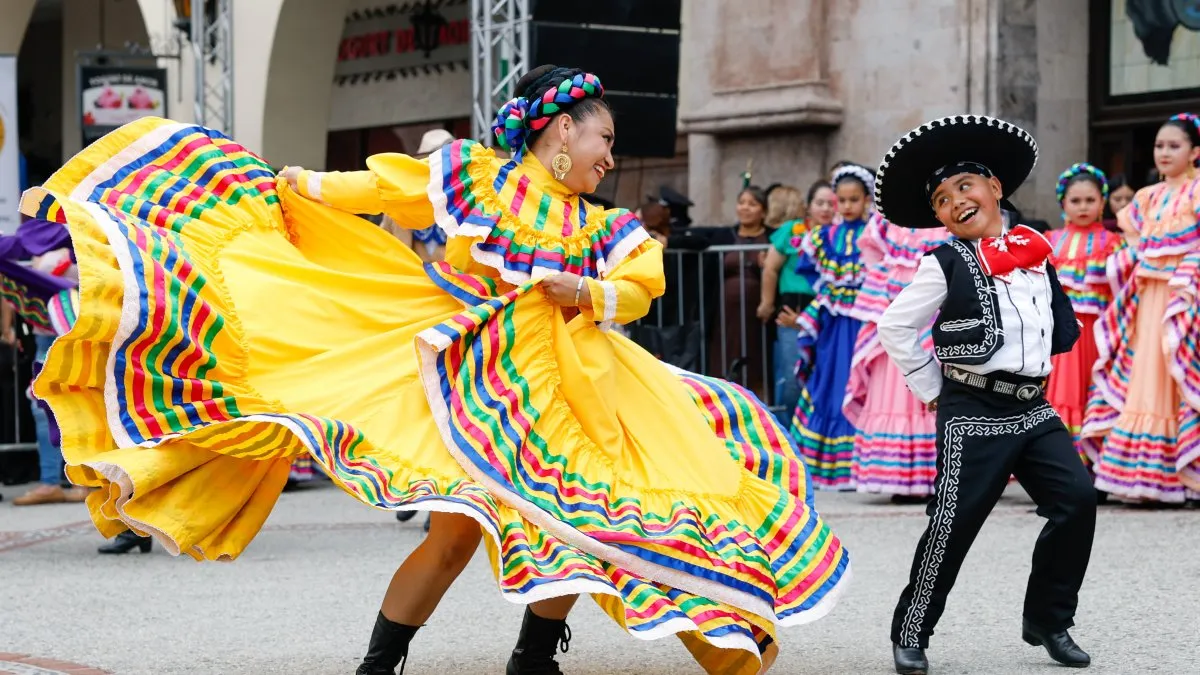
Cinco de Mayo, often mistaken for Mexican Independence Day, commemorates the Mexican army’s victory over French forces at the Battle of Puebla in 1862. This celebration is not about national liberation; it’s about a significant military achievement that resonates deeply within Mexican-American culture.
The holiday marks a pivotal moment in history. The Mexican army, vastly outnumbered, defeated French troops—an event that shocked many. While it may not hold the same weight in Mexico as September 16, the actual Independence Day, it has evolved into a vibrant celebration of heritage in the United States.
Key facts:
- Cinco de Mayo is celebrated more widely in the U.S. than in Mexico.
- The first recorded American celebration took place in California in 1862.
- During the 1970s and 1980s, commercialization by beer companies fueled its popularity.
The roots of Cinco de Mayo intertwine with broader historical narratives. For instance, during the U.S. Civil War, many Mexican-Americans viewed the French invasion as part of a larger struggle for freedom—both from colonial powers and oppressive regimes. David Hayes-Bautista notes that for Mexicans in the U.S., these conflicts were intertwined, as they fought on two fronts.
Food plays a central role in this celebration. Traditional dishes like mole poblano are enjoyed alongside festive drinks such as margaritas—often served at happy hour prices ranging from $3 to $7 at various restaurants.