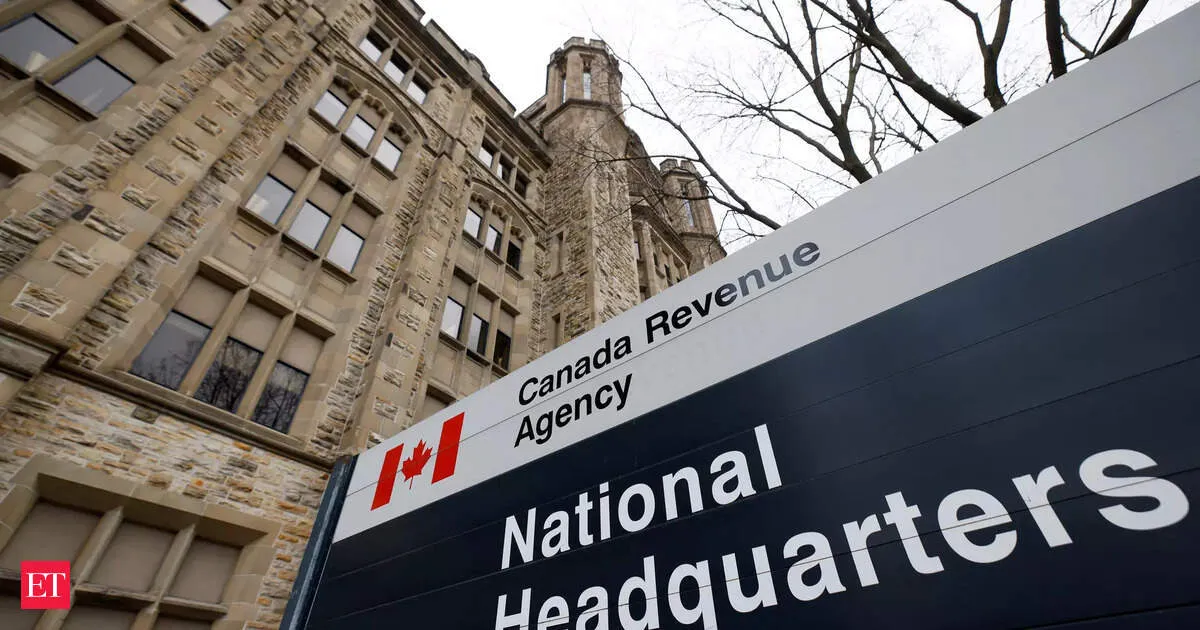
In a surprising turn of events, the Canada Revenue Agency (CRA) issued a staggering $5 million tax refund to Teresa Wallace—only to discover it was based on a bogus return. Prior expectations surrounding the agency’s refund process were largely positive. Taxpayers believed that the CRA had robust systems in place to prevent such errors.
But the reality is starkly different. Wallace claimed nearly $10 million in foreign income, despite her actual earnings being just $54,000 annually. The CRA processed a refund of $4,958,716.63 in May 2025, which had been flagged for manual review yet somehow slipped through the cracks.
Two months later, the error was identified. Authorities now suspect that no taxes were paid on the claimed income—an alarming oversight for an agency tasked with ensuring compliance. “Upon review by the senior program officer at refund examination headquarters, it was determined that one of the forms on file was invalid,” stated the CRA. The fallout? Wallace now owes an astonishing $7.9 million, including interest and penalties.
This incident raises serious concerns about the CRA’s internal processes. The agency’s claim that a form was invalid suggests systemic issues in verification and oversight. As noted by some experts, this situation highlights a breakdown in oversight—especially since the refund had reportedly been flagged for manual review before approval.
Legal and recovery proceedings are now underway. Authorities are tracking assets linked to this payout as they attempt to reclaim funds that should never have been disbursed in the first place. The case has garnered international attention, serving as a critical example of how even advanced tax systems can face unexpected failures.
The CRA is under pressure to strengthen its review processes for large refunds and introduce stricter validation checks moving forward. This incident serves as a wake-up call; monitoring similar cases more closely is essential if trust in the tax system is to be restored.
Details remain unconfirmed regarding how many similar cases may exist within the system. Nevertheless, this debacle underscores vulnerabilities inherent in a self-assessment tax system—a model designed for efficiency but fraught with potential pitfalls.