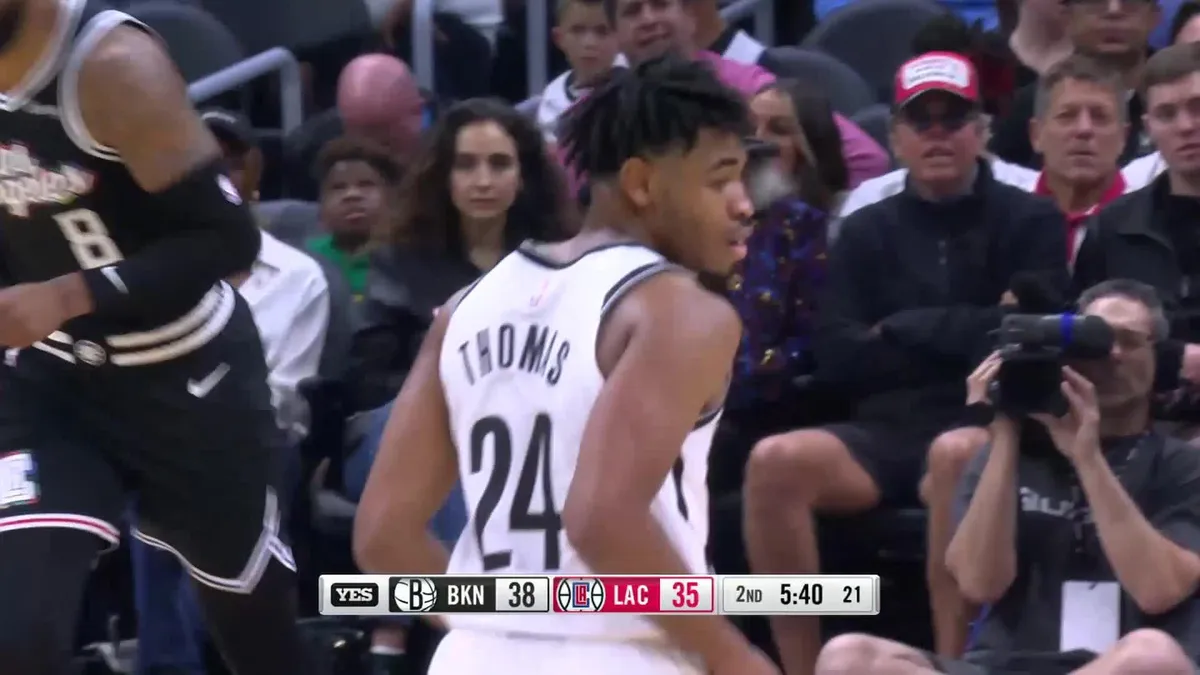
Cam Thomas’s time with the Milwaukee Bucks has come to an abrupt end, as he was waived after just 18 games. During his stint, he averaged 10.7 points, 1.6 rebounds, and 1.9 assists in 16.6 minutes per game, a performance that, while respectable, did not secure his place on the roster.
Thomas, who signed with the Bucks on February 8, 2026, made an immediate impact by scoring 34 points in his second game. However, this early promise was not enough to maintain his position, especially considering his prior performance with the Brooklyn Nets, where he averaged 15.6 points over 24 games this season.
His release from the Bucks comes as a surprise, particularly given that he was a restricted free agent last summer but opted for a one-year qualifying offer with the Nets. The decision to waive him raises questions about his fit within the Bucks’ system and their overall strategy moving forward.
Doc Rivers, a prominent figure in the league, commented on the situation, stating, “It’s just a tough one, honestly,” reflecting the challenges teams face in making roster decisions. He also noted, “He deserved it,” indicating that Thomas’s efforts were recognized despite the outcome.
With the postseason approaching, Thomas’s future remains uncertain. If he signs with another playoff team, he will be ineligible for the postseason due to the March 1 cutoff. This adds another layer of complexity to his situation, as teams will weigh his potential contributions against the timing of his signing.
In a twist, Pete Nance’s two-way contract was converted to a standard NBA deal following Thomas’s release, suggesting that the Bucks are looking to solidify their roster as they navigate the remainder of the season.
As observers watch closely, the implications of Thomas’s release extend beyond his individual career. It raises questions about the Bucks’ direction and how they plan to bolster their lineup as they aim for a successful playoff run.
Details remain unconfirmed regarding potential landing spots for Thomas, but his performance history suggests he could still be a valuable asset for teams looking to enhance their backcourt depth.