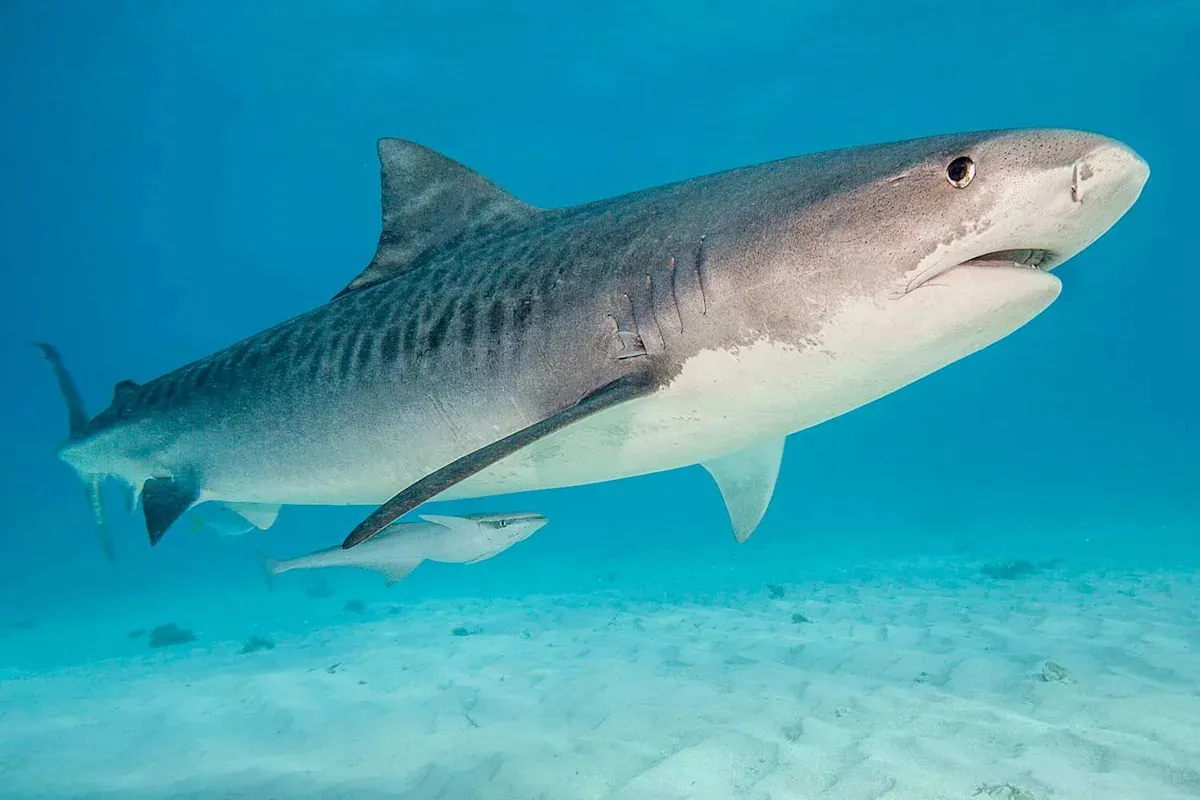
In a groundbreaking study, researchers have uncovered alarming evidence of contamination in sharks inhabiting the waters near Eleuthera Island in the Bahamas. Just before this key development, scientists were already concerned about the impact of human pollution on marine ecosystems, but the presence of substances like caffeine and cocaine in these apex predators has raised new questions.
On a recent date, the study analyzed blood samples from 85 sharks, revealing that nearly a third tested positive for various contaminants, including caffeine. This finding marks the first report concerning contaminants of emerging concern (CECs) and their potential physiological responses in sharks from this remote island.
As the research progressed, it became evident that caffeine is not just a human stimulant; it has been linked to hyperglycemia, lactate accumulation, and disruptions in lipid metabolism in marine life. The implications of these findings are significant, as they suggest that the physiological health of sharks could be compromised by substances typically associated with human consumption.
Notably, Natascha Wosnick, a lead researcher, emphasized the uniqueness of this situation, stating, “We’re talking about a very remote island in the Bahamas.” This highlights the extent of pollution reaching even the most isolated marine environments.
Moreover, the study indicated that caffeine consumption can lead to a rise in cortisol levels by twenty to fifty percent, which could affect the stress responses of these sharks. Such physiological changes could have cascading effects on their behavior and overall health.
The findings also draw parallels to research on fruit flies, where drinking caffeine at night has been shown to increase impulsivity. This raises further questions about the broader impacts of caffeine and other contaminants on wildlife behavior.
Wosnick remarked, “Understanding how these contaminants affect shark physiology and long-term population health becomes paramount.” This statement underscores the urgent need for further research into the implications of human activity on marine species.
The presence of these contaminants in sharks serves as a stark reminder of the pervasive nature of human pollution and its potential to disrupt marine ecosystems. As scientists continue to investigate, the need for protective measures for these vulnerable species becomes increasingly clear.
Details remain unconfirmed regarding the long-term effects of caffeine and other substances on shark populations, but the initial findings are concerning and warrant immediate attention from environmentalists and policymakers alike.
As the situation develops, it will be crucial to monitor the health of shark populations in the Bahamas and implement strategies to mitigate pollution in these vital marine habitats.