How it unfolded
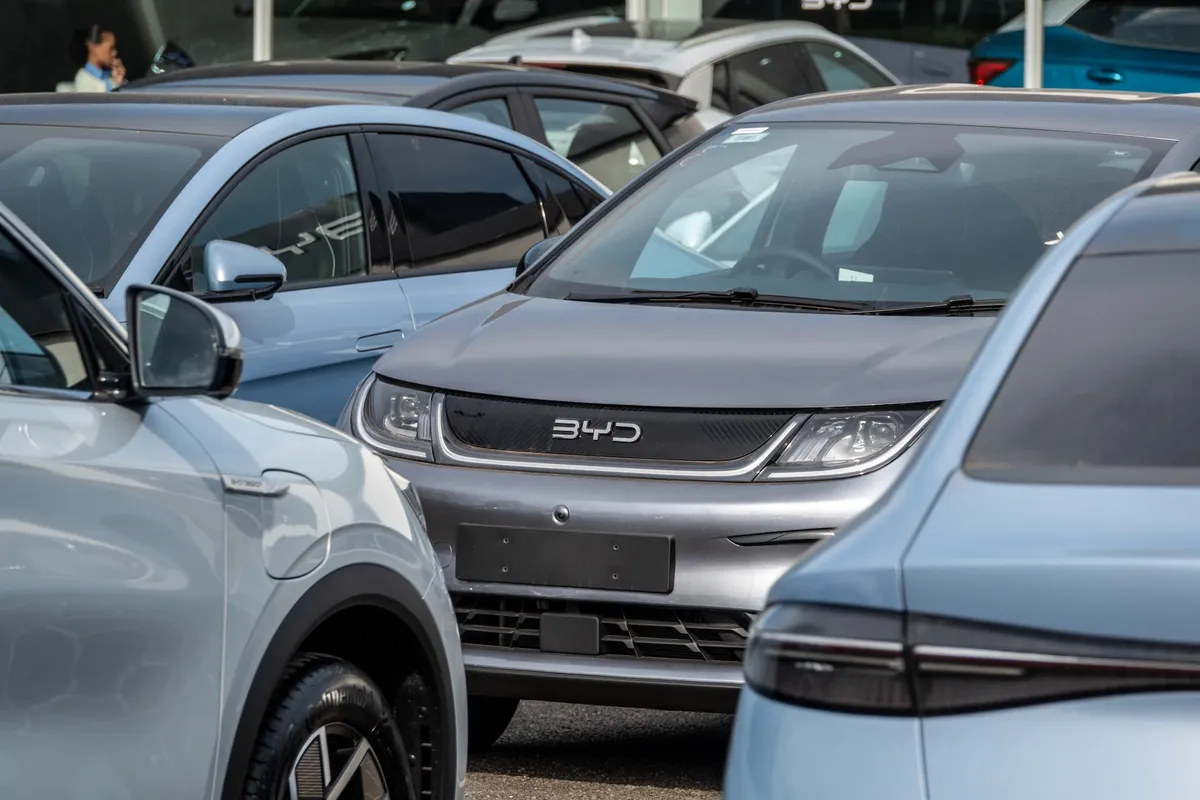
As the electric vehicle (EV) market continues to expand globally, Canada is on the brink of a significant shift with the impending arrival of BYD, the world’s largest EV manufacturer. Having surpassed Tesla in 2022, BYD’s entry into the Canadian market is poised to introduce a new wave of affordable electric vehicles, marking a pivotal moment for Canadian consumers.
In recent months, BYD has announced plans to establish 20 dealerships across Canada by 2026. This ambitious rollout aims to provide Canadians with access to a diverse lineup of electric vehicles, including models like the BYD Dolphin, Atto 3, and Seal. The Dolphin, for instance, is expected to be priced around $31,000, while the Atto 3 could start at approximately $42,000. Such pricing strategies suggest that BYD is targeting the mass market, making EV ownership more accessible to a broader audience.
Canada’s trade agreement with China plays a crucial role in facilitating BYD’s entry. The agreement permits the import of 49,000 Chinese EVs annually, subject to a 6.1% tariff. This framework not only supports BYD’s ambitions but also positions Canada as a competitive market for Chinese EV manufacturers, potentially leading to increased consumer choice and lower prices.
Interestingly, BYD’s pricing strategy in Canada appears to be competitive when compared to similar models in other markets. For example, the BYD Dolphin Surf, which retails for 63,800 Chinese yuan (approximately $12,870) in China, is expected to be priced significantly higher in Canada. This disparity raises questions about the impact of federal incentives on BYD’s pricing strategy, which remains unclear at this stage.
Industry experts have noted that the rapid success of Chinese EVs in markets like the U.K. has set a precedent. Pat Hoy, an automotive analyst, remarked, “The [Chinese brands] that have come to the U.K. in the last six or 12 months have come in with cheaper cars, higher spec with cheap finance options.” This trend could very well replicate itself in Canada, as consumers are likely to respond positively to the value proposition offered by BYD.
As Canadians prepare to see mass-market Chinese electric vehicles on their roads for the first time, the implications of BYD’s entry extend beyond just pricing. The presence of a major player like BYD could stimulate competition among existing manufacturers, including Tesla, which has dominated the Canadian EV market thus far. This competition may lead to innovations in technology, enhancements in customer service, and ultimately, better options for consumers.
However, details remain unconfirmed regarding the exact pricing of BYD’s vehicles and their formal on-sale dates in Canada. As the company gears up for its launch, the automotive landscape is brimming with anticipation. The success of BYD in Canada could serve as a bellwether for the future of electric vehicles in North America, particularly as consumer preferences shift towards more sustainable transportation options.
In summary, BYD’s strategic move to establish a foothold in Canada signals a transformative moment for the EV market. With competitive pricing, a robust dealership network, and the backing of favorable trade agreements, BYD is well-positioned to make a significant impact. As the market evolves, the stakes are high for both consumers and manufacturers alike, making this a development worth watching closely.