How it unfolded
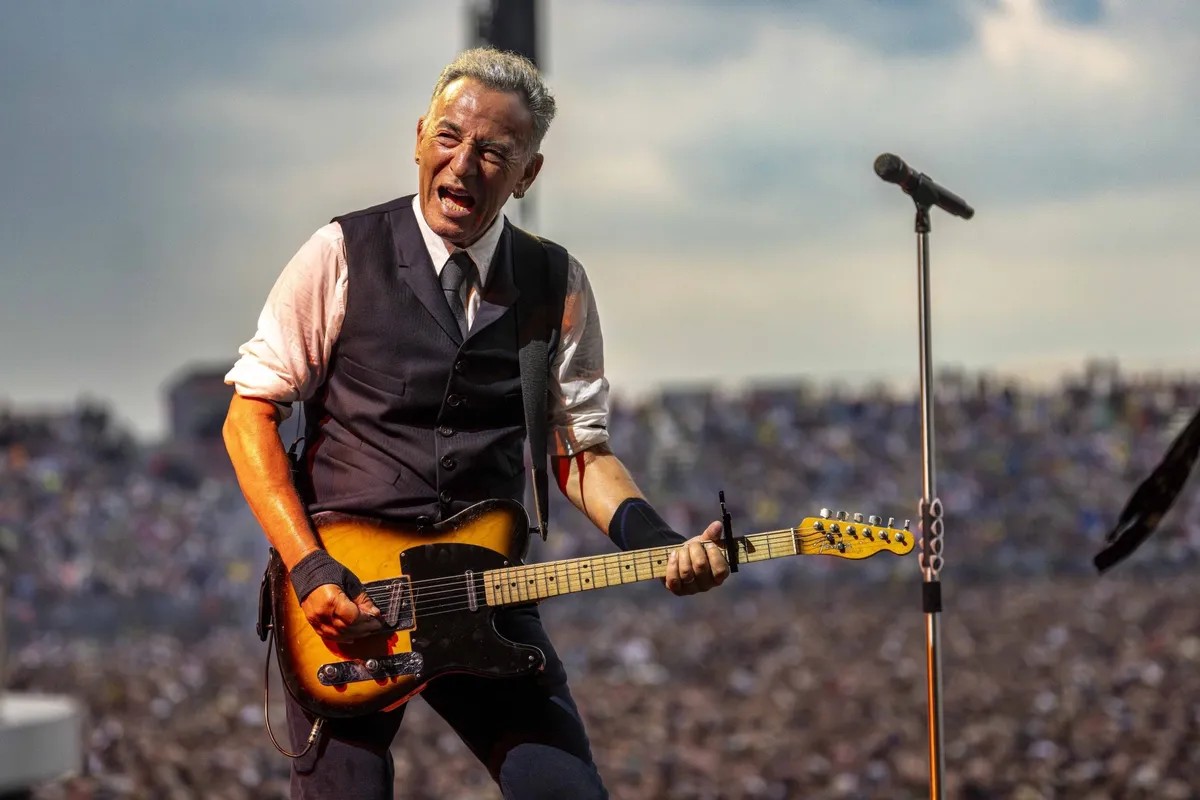
As the world gears up for Bruce Springsteen’s highly anticipated Land of Hope and Dreams American Tour, the atmosphere is charged with both excitement and controversy. Just before the tour’s kickoff, which is set to include 20 shows in cities heavily impacted by U.S. Immigration and Customs Enforcement (ICE), former President Donald Trump took to Truth Social to criticize Springsteen. In a scathing post, Trump labeled him a “bad and very boring singer,” further referring to him as a “total loser.” This public spat highlights the ongoing cultural and political divide in America, with Springsteen often positioned as a voice for the marginalized.
Springsteen, now 76, has long been an outspoken critic of the Trump administration, using his platform to address social issues and advocate for working-class Americans. During the opening night of his tour in Minnesota, he condemned the current political climate, stating, “The America that I love, the America that I’ve written about for 50 years, that’s been a beacon of hope and liberty around the world, is currently in the hands of a corrupt, incompetent, racist, reckless, and treasonous administration.” His words resonate deeply with fans who view his music as a reflection of their struggles and aspirations.
The recent passing of Tzruya ‘Suki’ Lahav, a violinist who recorded and toured with Springsteen, adds another layer of poignancy to the current moment. Lahav, who died at the age of 74, was a significant figure in both Israeli music and Springsteen’s early work, contributing to the iconic violin part in “Jungleland.” Her legacy is intertwined with Springsteen’s, as she played 38 shows with him before the release of the “Born to Run” album. This loss is felt not only by those who knew her but also by fans who appreciate the collaborative spirit of music.
In response to Trump’s derogatory remarks, the presidents of two chapters of the American Federation of Musicians issued a statement in support of Springsteen, emphasizing his role as a cultural icon and advocate for musicians’ rights. They noted, “Bruce Springsteen is not just a brilliant musician; he is a voice for working people, a symbol of American resilience, and an inspiration to millions in this country and around the world.” This solidarity from fellow musicians underscores the importance of unity in the face of criticism.
Springsteen’s music has consistently served as a platform for social commentary, with songs like “Streets of Minneapolis” directly protesting the presence of ICE. His willingness to address controversial topics has endeared him to many, while simultaneously attracting the ire of political figures like Trump. The dichotomy of admiration and disdain reflects the broader cultural tensions in the United States.
As Springsteen embarks on this new tour, he carries with him the weight of his political convictions and the legacy of those who have influenced his journey, including Lahav. The juxtaposition of his artistic expression against the backdrop of political strife serves as a reminder of the power of music to inspire change and provoke thought.
In this current landscape, where music and politics are increasingly intertwined, Springsteen remains a steadfast figure. His commitment to addressing the challenges faced by working-class Americans ensures that his voice will continue to resonate, even amidst the noise of political criticism. As fans eagerly await his performances, the significance of his message remains clear: music is not just entertainment; it is a powerful tool for advocacy and change.