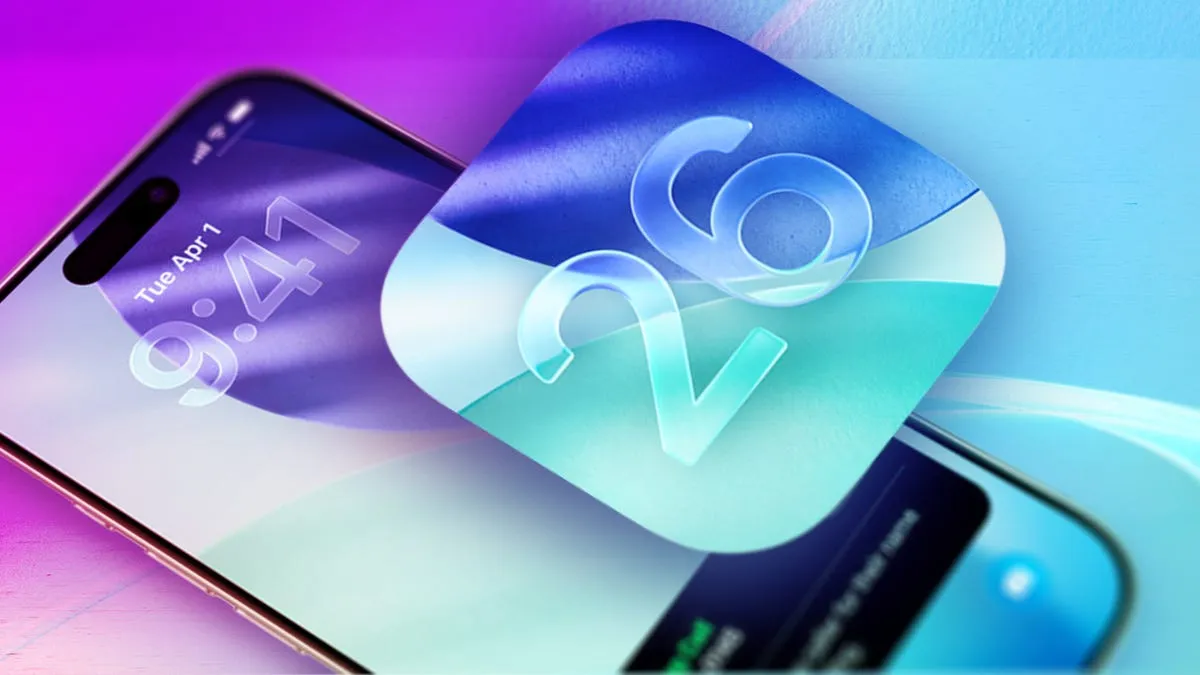
In September 2025, Apple released iOS 26 — a pivotal update that introduced a translation tool in the Messages app, allowing for real-time translations. This feature is designed to enhance communication across language barriers, supporting 20 different languages. It’s not just an incremental change; it’s a leap toward making texting more inclusive.
The translation tool operates seamlessly alongside messages sent and received. Users can see translations without leaving their conversation threads — a significant improvement for those who converse with friends or colleagues in different languages. But this isn’t just about convenience; it reflects a broader trend of global connectivity that technology now facilitates.
Prior to this update, Apple had already made substantial strides in enhancing user experience with features like call screening and various design changes. The introduction of Liquid Glass as a major design element in iOS 26 highlights Apple’s commitment to not just functionality but also aesthetics. These improvements set the stage for the new texting capabilities, which feel like a natural progression.
Yet, while users are excited about the translation feature, there are concerns brewing around upcoming changes in other apps. For instance, iOS 26.5 is expected to introduce ads in Apple Maps — a feature that has already sparked backlash from users who value privacy and seamless navigation. Maps may show local ads based on your approximate location or current search terms, but details remain unconfirmed.
This juxtaposition of innovation and potential annoyance illustrates the complex relationship between user experience and monetization strategies. Will users embrace these ads if they come at the cost of their privacy? Or will they find ways to navigate around them? The answers remain uncertain.
Official statements from Apple have yet to address these concerns directly. However, the company seems focused on expanding its ecosystem — integrating features that not only enhance texting but also drive engagement across its platforms.
As we look at these developments, it’s clear that Apple’s direction is toward deeper integration of technology into daily communication. The translation tool is just one aspect of this evolving landscape; it invites us to consider how we interact with one another across cultures and languages.
The future holds promise — but also challenges. As users adapt to these changes, they must weigh the benefits against potential drawbacks in privacy and user experience. The conversation has only just begun.