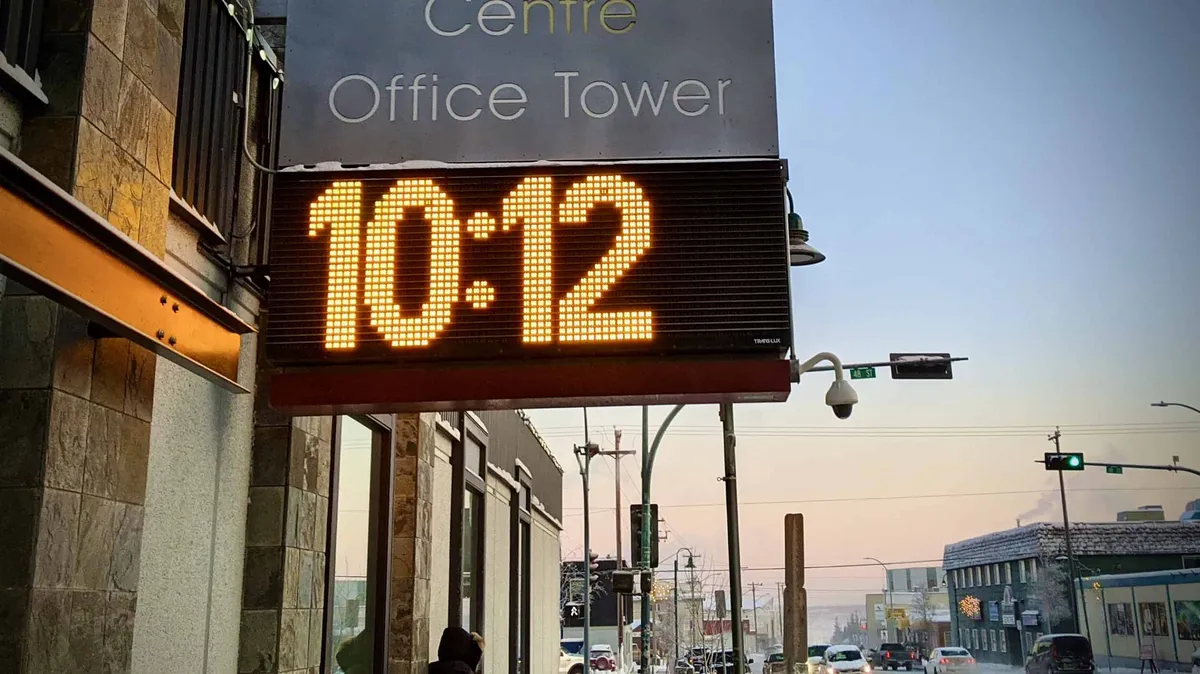
In a significant development, Alberta’s Premier Danielle Smith has announced plans to transition the province to year-round daylight saving time. This proposal comes amid growing discussions about the practicality of changing clocks twice a year—a practice that many find outdated.
Recent surveys indicate a shift in public sentiment. A notable 87% of respondents in a GNWT survey expressed support for eliminating the biannual clock changes. Yet, in a 2021 referendum, only 49.8% of Albertans favored moving permanently to daylight saving time, while 50.2% voted against it—an indication of the divided opinion on this issue.
Historically, Alberta adopted daylight saving time in 1971 after a referendum passed with 61.5% approval. Since then, discussions about its permanence have surfaced periodically, reflecting a broader trend among neighboring regions. The Yukon made the switch permanent in 2020, and British Columbia is set to follow suit in March 2026.
Smith’s push aligns with her government’s desire to simplify timekeeping for Albertans. “The time we are in right now is the time it will be,” she stated—emphasizing the need for clarity and consistency.
But Alberta isn’t alone in this conversation. The Northwest Territories government has voiced concerns about syncing with nearby provinces regarding time changes, which complicates the landscape further.
As public interest grows, official reactions are beginning to surface. Premier RJ Simpson of the Northwest Territories remarked, “The thing that needs to happen is Alberta needs to get on board.” This suggests a regional ripple effect could ensue if Alberta proceeds with its plan.
Despite these developments, details remain unconfirmed as the legislation still requires approval from the Alberta Legislature before any change can take effect. The outcome remains uncertain—will Albertans embrace this shift or resist it once again?
The implications of such a change are far-reaching. A permanent switch could affect everything from economic activities to daily routines across the province and beyond.
As we await further updates, one thing is clear: Alberta’s relationship with daylight saving time is evolving, and how it unfolds will be closely watched by neighboring jurisdictions.