What the data shows
The recent disruptions at Montreal-Trudeau Airport raise a critical question: how did Air Transat and other airlines manage to navigate such a chaotic situation? The answer lies in a combination of operational challenges and external factors that led to a staggering number of delays and cancellations.
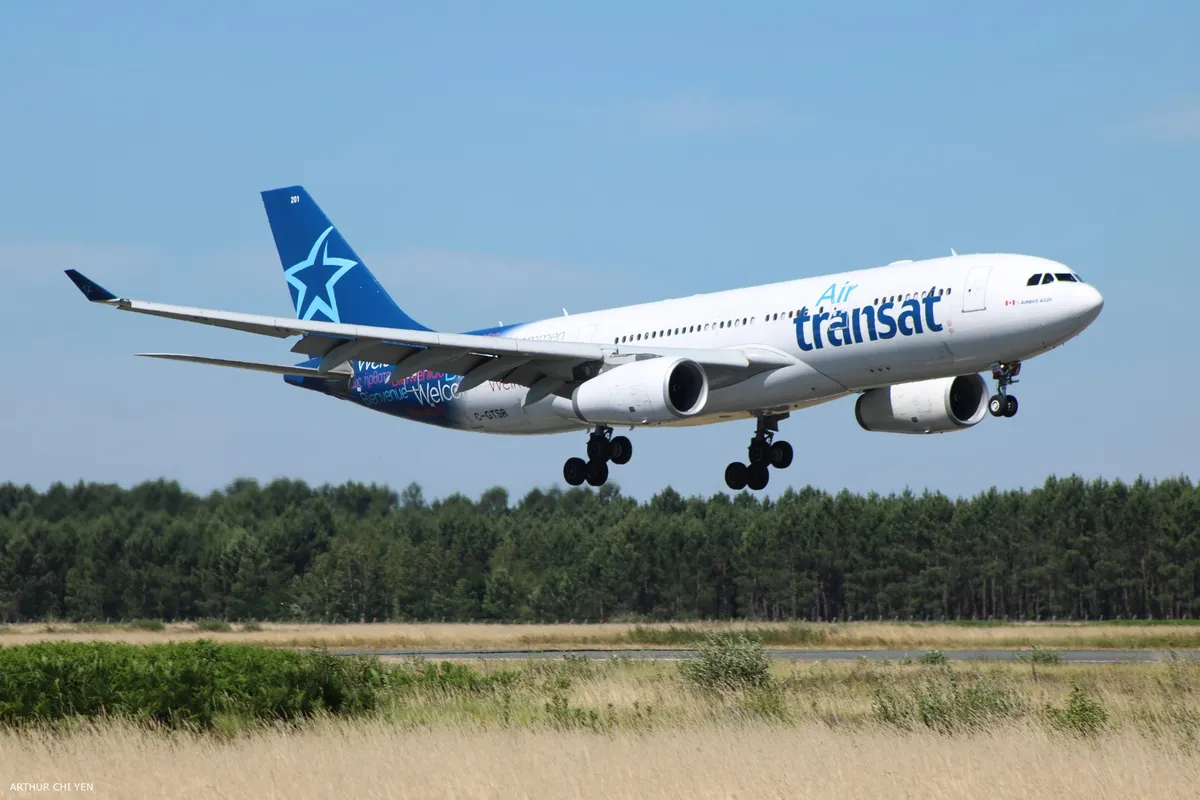
On March 22, 2026, Montreal-Trudeau Airport recorded a total of 212 delays and 10 cancellations, significantly impacting various airlines, including Air Transat. Specifically, Air Transat experienced 10 delayed flights, predominantly affecting international and leisure travel segments. This disruption not only frustrated travelers but also raised concerns about the airline’s operational resilience.
Air Canada, the largest airline in Canada, bore the brunt of the delays, with 73 flights delayed and 2 cancellations reported. Jazz, a regional airline, followed closely with 57 delays and 6 cancellations, making it the airline with the highest number of cancellations that day. Other airlines, including Porter Airlines and WestJet, also reported delays, contributing to an overall atmosphere of congestion at the airport.
The situation at Montreal-Trudeau Airport was not isolated; disruptions were also noted at other major airports, including Toronto Pearson, Toronto City Centre, Halifax International, and LaGuardia. This widespread impact suggests that the challenges faced by Air Transat and its counterparts were not solely due to internal operational issues but may have been exacerbated by broader systemic factors affecting air travel.
Montreal-Trudeau Airport remained the central hub of disruption, affecting both arrivals and departures. The concentration of delays and cancellations at this airport raises questions about the preparedness of airlines and airport authorities to handle such situations. With air travel demand fluctuating post-pandemic, the ability to adapt to sudden disruptions is becoming increasingly critical for airlines like Air Transat.
As the dust settles from this chaotic day, the focus shifts to what lies ahead for Air Transat and the aviation industry as a whole. Will the airline implement new strategies to mitigate the impact of future disruptions? How will it address the concerns of affected passengers? These questions remain unanswered as the industry grapples with the ongoing challenges of air travel in a post-pandemic world.
Details remain unconfirmed regarding the specific causes of the disruptions, but the implications for Air Transat and other airlines are clear. The need for robust contingency plans and improved communication with passengers is more pressing than ever. As travelers continue to navigate the complexities of air travel, the performance of airlines like Air Transat will be scrutinized closely in the coming months.