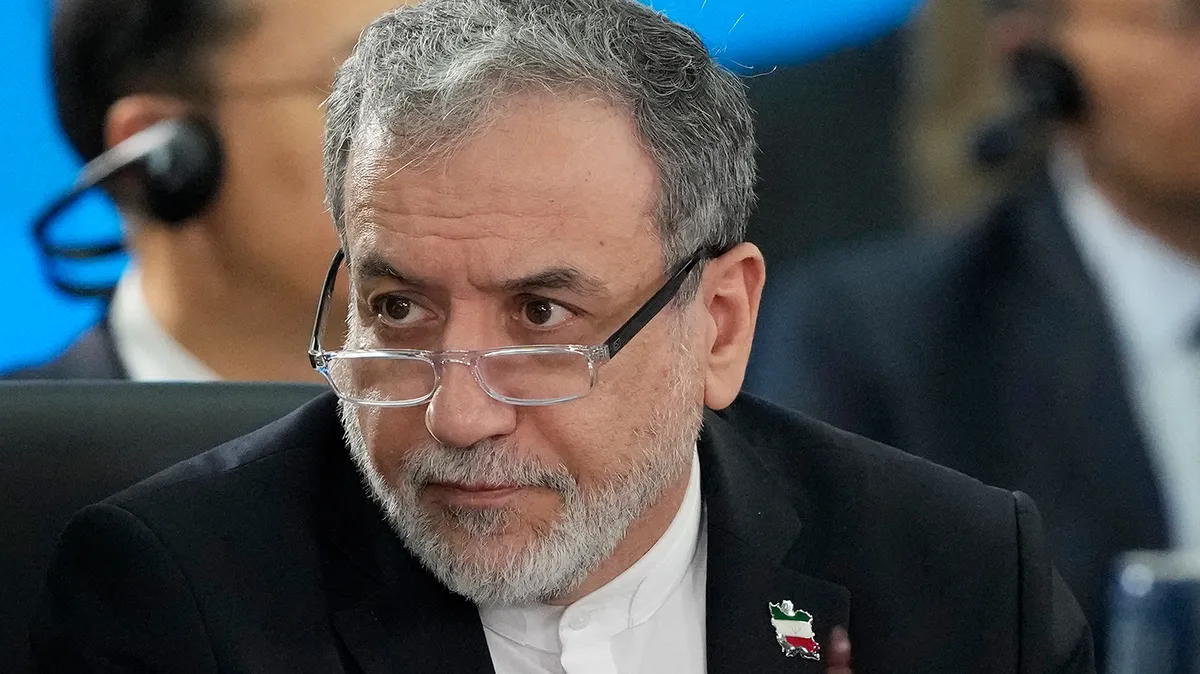
“The Pentagon is lying. Netanyahu’s gamble has directly cost America $100b so far, four times what is claimed,” declared Abbas Araghchi, Iran’s deputy foreign minister. His assertion challenges the U.S. Department of Defense’s reported figure of $25 billion, igniting a debate over the true financial toll of the ongoing conflict.
The conflict began on February 28, 2026, and by April 8 of the same year, a ceasefire was announced. However, the human and financial costs continue to rise. Thirteen U.S. troops have died and around 400 have been injured during this period—figures that Araghchi argues are only a fraction of the true impact.
Araghchi also emphasized that each American household bears a monthly burden of approximately $500 due to military expenditures related to the conflict. This perspective sheds light on how Iranian leadership views U.S. military spending as not just a foreign policy issue but a domestic economic one as well.
Despite his bold statements, there are whispers within Iranian political circles suggesting that Araghchi may be facing scrutiny himself. Reports indicate that Iran’s leadership is considering removing him from his position, potentially due to accusations that he acts under the directives of Revolutionary Guard chief Ahmad Vahidi.
Adding complexity to this narrative, Gholamhossein Mohseni Ejei remarked, “The U.S. gained nothing from the military campaign.” Such sentiments reflect a growing frustration within Iranian politics over the protracted nature of this conflict and its political ramifications.
As ceasefire negotiations continue to unfold—albeit with significant challenges—the backdrop of misinformation and conflicting narratives complicates any path forward for U.S.-Iran relations.
In light of these developments, it remains uncertain how these internal dynamics will affect Iran’s diplomatic strategies moving forward. The Iranian president has already expressed frustration over the political deadlock caused by the war, indicating potential shifts in leadership or strategy ahead.