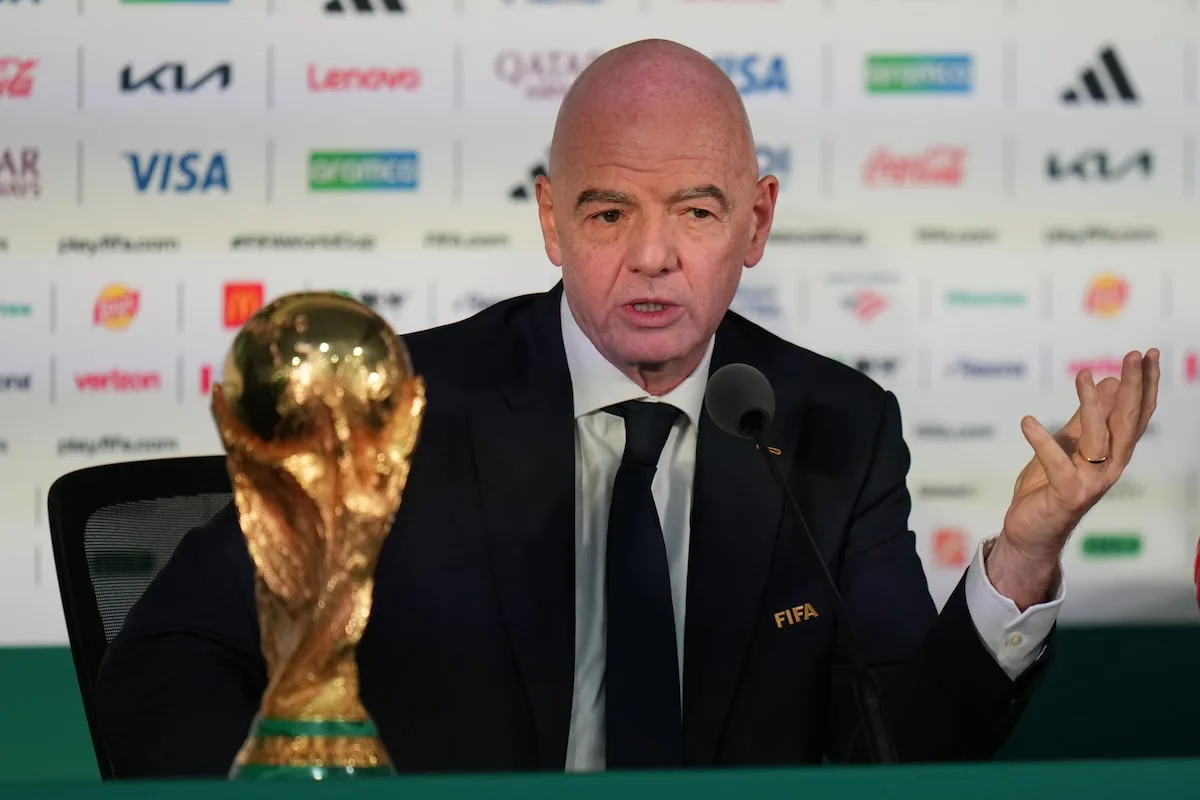
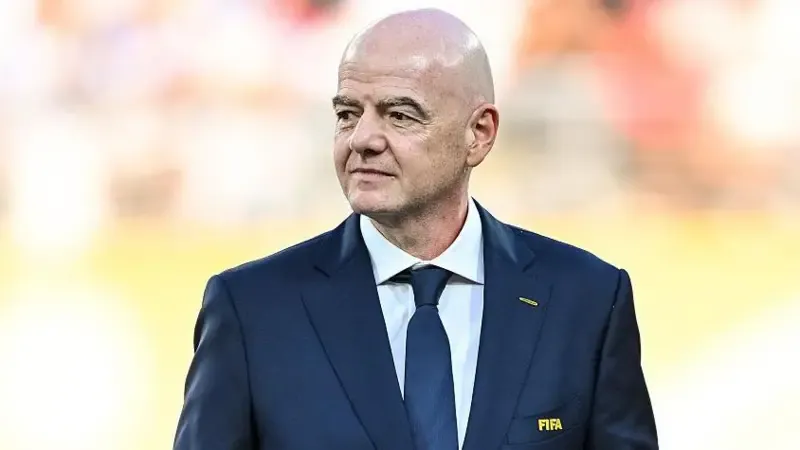
FIFA President Gianni Infantino is holding a meeting with senior officials in Rabat, Morocco, as pressure mounts following the abandonment of his plan to sell commercial and event operations. The meeting includes FIFA management board members such as secretary general Mattias Grafstrom, finance chief Thomas Peyer, legal chief Emilio Garcia Silvero, chief of staff Daniel O’Toole, chief of member associations Elkhan Mammadov, and media relations director Bryan Swanson. The purpose of the gathering is to address the fallout from the scrapped proposal and potentially secure Infantino’s position.
The proposed plan, which involved selling 20 per cent of the commercial rights to private investment to raise US$4.2-billion, drew significant criticism. Carlos Cordeiro, Infantino’s senior adviser on global strategy and governance, resigned over the plan, calling it a “bad deal for football” that would “mortgage football’s future.” Cordeiro highlighted a lack of answers to fundamental questions regarding the deal’s necessity, oversight, beneficiaries, competitive process, governance, and the ultimate cost to football.
Mounting Criticism and Governance Concerns
The controversy has led to strong reactions from various football bodies. European Leagues, an association that includes major competitions like the Premier League, La Liga, and Serie A, described the proposal as “dangerous” and raised “serious questions about FIFA’s governance, internal culture and decision-making.” They have called for governance reform to ensure all stakeholders have a formal role in shaping the future of the game.
UEFA has also expressed a loss of confidence in Infantino’s leadership. Several member associations, including Wales, have withdrawn their support for his re-election, with England reportedly considering similar action. Prince Ali, president of the Jordanian Football Association, accused FIFA of creating a situation amounting to “blackmail” over unpaid prize money and support for Infantino’s re-election.
Internal dissent within FIFA has also become apparent. Secretary general Mattias Grafstrom sent an internal memo to staff, describing the events of the past week as a “sad and reproachable series of events” that were “difficult to comprehend and accept.” Kevin Lamour, FIFA’s chief operating officer, stated that the private investment plan was “the project of one person” and that FIFA’s own administration was “deceived.” Arsene Wenger, chief of global football development, insisted he was “not involved” in the proposal and deemed its abortion “absolutely necessary and beyond question.”
Infantino’s Response and Future Outlook
Infantino is expected to attempt to build bridges and secure his position during the meeting. He may need to show contrition and offer a path to reform to regain the support of his inner circle. This could involve implementing additional checks and balances to prevent similar proposals from being devised and presented in the same manner in the future. There is also speculation he might reconsider plans for a 64-team World Cup or open up FIFA’s cash reserves.
Despite the widespread criticism, Infantino has shown no indication of relinquishing his position. He has been actively rallying support, with countries like Egypt, Morocco, Niger, Mauritania, and the DR Congo issuing statements in his favour. Morocco, where Infantino has been based for the past week, is considered friendly territory, as the country will co-host the World Cup in 2030 and its national football association supports him.
While it is unlikely Infantino will resign immediately, he faces serious questions about the controversial week for FIFA. The possibility of an extraordinary congress of the 211 FIFA member associations remains an option for those seeking to oust him, requiring a request from 43 associations. UEFA, with its 55 nations, could trigger such a congress, though it would take a minimum of two months to organize. The deadline for candidates to announce their intention to challenge Infantino in the March election is 18 November.
Source: bbc.com