Disciplinary Actions Following World Cup Final
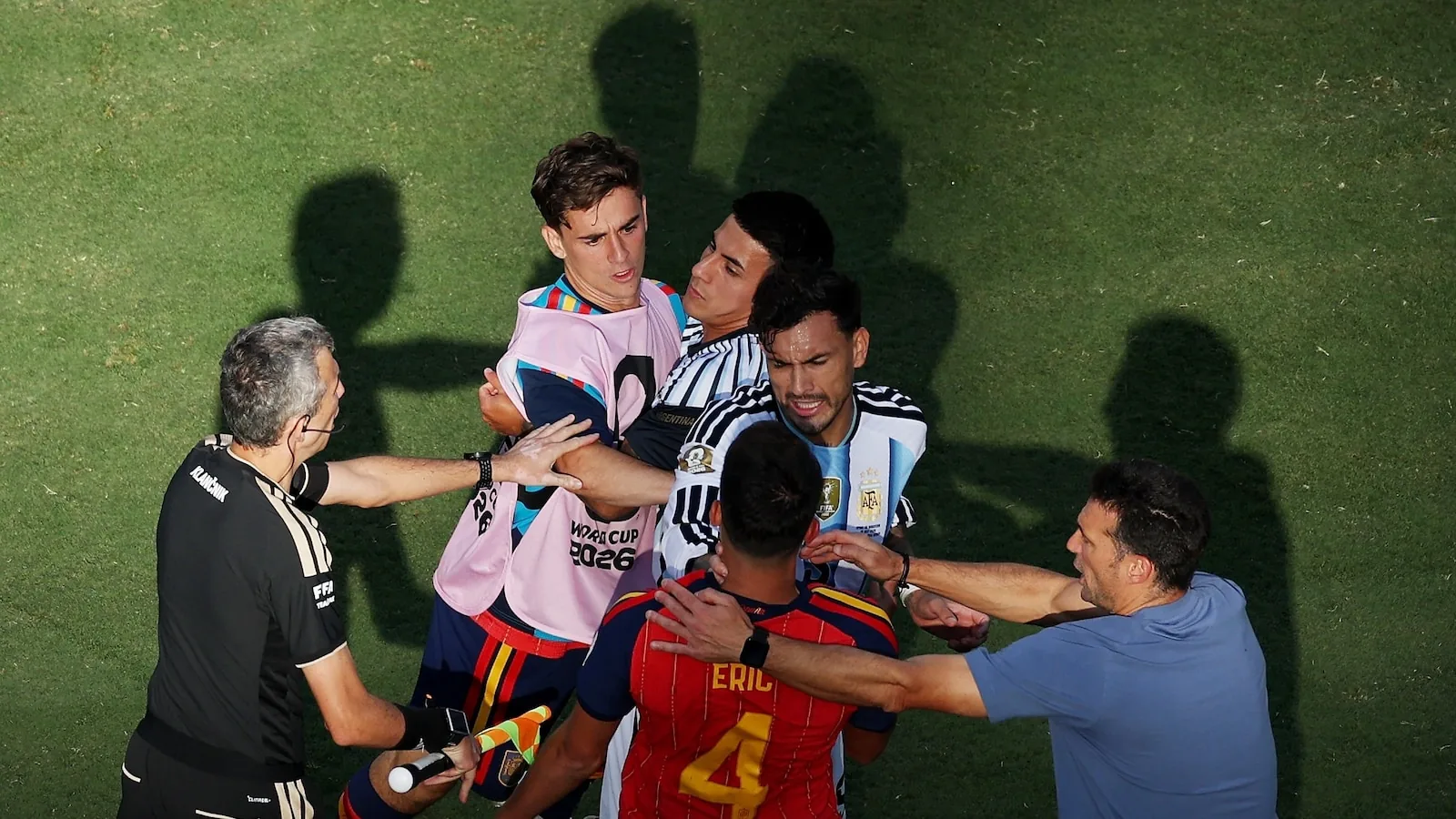
FIFA has initiated disciplinary proceedings against Argentina, its football association (AFA), and individuals following incidents that occurred after the World Cup final. The charges stem from events that transpired after Spain’s 1-0 victory over Argentina, as well as conduct observed throughout the tournament.
The global governing body appointed a disciplinary and ethics prosecutor to assess the events. This led to the recommendation for investigations into multiple Argentine players and backroom staff involved in altercations with Spanish players.
Charges Against Players and Officials
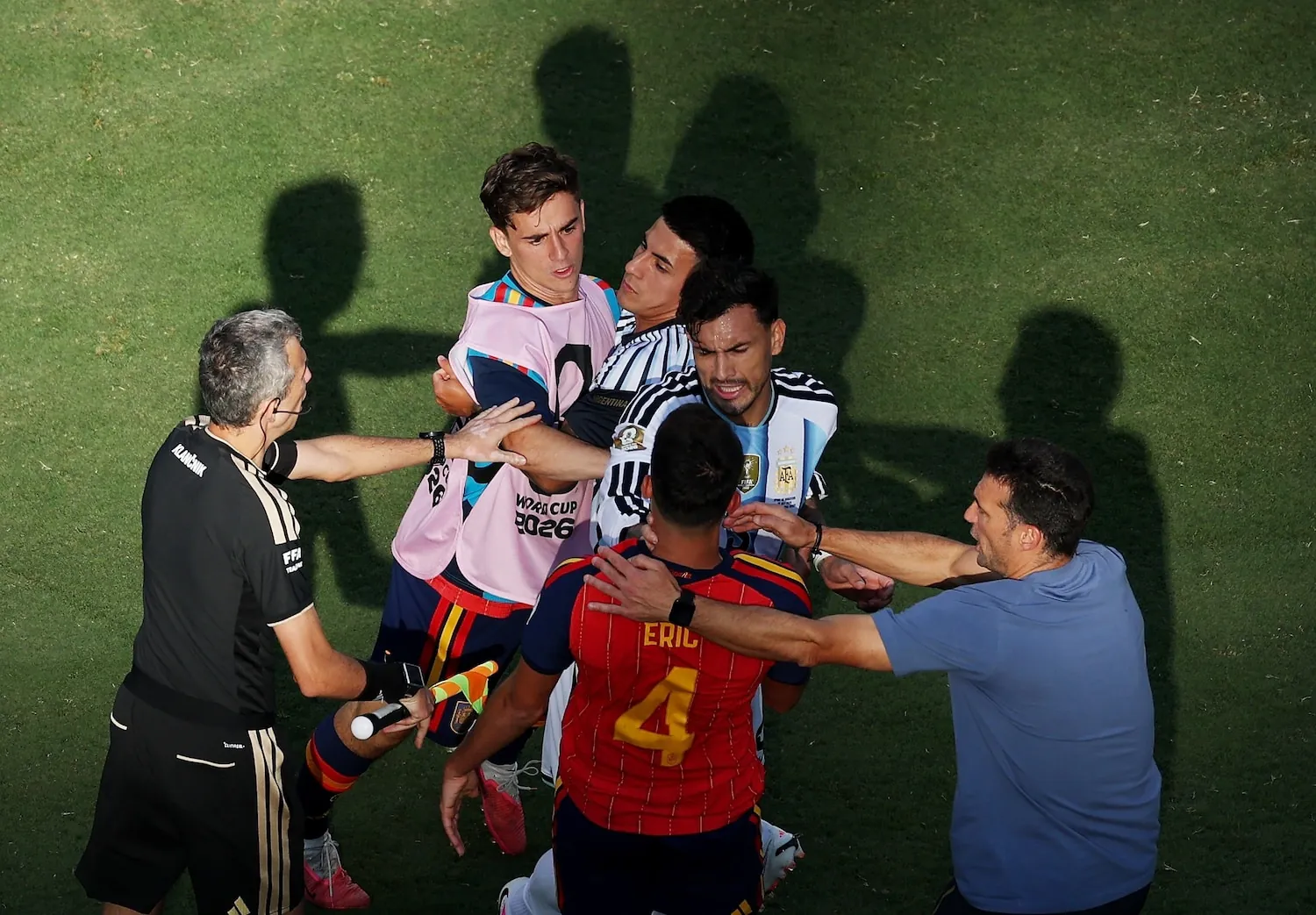
Among the individuals facing charges are Argentine players Leandro Paredes and Nahuel Molina, along with assistant coach Roberto Ayala. Paredes is facing three charges of alleged assault, while Molina faces two, and Ayala one, all under Article 14 of FIFA’s disciplinary code. The incidents include Paredes lashing out at Spain’s Gavi during the post-match celebrations.
Gavi, along with Thiago Almada, is also accused of unsporting behaviour. According to FIFA’s disciplinary code, unsportsmanlike conduct can result in at least a one-match suspension, while assault allegations could lead to a minimum three-match suspension. Possible sanctions for Paredes, if assault allegations are upheld, include a multi-match suspension, potentially extended for multiple acts of violent conduct. Molina could also face a suspension, though likely less severe than Paredes. Ayala might face a touchline ban or suspension from stadiums for a certain number of matches. Almada and Gavi’s charges for unsporting conduct are likely to result in shorter suspensions or warnings.
AFA Faces Multiple Allegations
The Argentinian Football Association (AFA) is subject to disciplinary proceedings for potential breaches across several matches. These include using a sports event for demonstrations of a non-sporting nature, team misconduct, discrimination and racist abuse, and breaching order and security at matches. The AFA was charged for a political banner displayed by players after their semifinal victory against England.
The banner read: “Las Malvinas son Argentinas,” translating to “The Malvinas are Argentine,” referring to the Falkland Islands. This action violated FIFA rules prohibiting political protests and displays. British government officials had urged FIFA to investigate this matter. The formal charge against the AFA for this incident is “using a sports event for demonstrations of a non-sporting nature.”
Furthermore, the AFA faces charges including “discriminatory chants and gestures” and the “throwing of objects by spectators in relation to several matches.” These allegations of racism against the country have drawn attention, with prominent voices speaking out. During the tournament, FIFA condemned racism following an incident where an Argentinian supporter made a discriminatory comment to a Black US influencer during a livestream. The charges also cover late kick-offs and the display of inappropriate messages by the team and spectators.
Potential Sanctions for the AFA
FIFA has a wide range of options for sanctioning the AFA. These include a substantial financial fine, a formal warning or reprimand, and an order to improve crowd control and match organisation. In past instances, international teams have been compelled to play matches behind closed doors or faced limitations on supporter attendance at FIFA competitions. While a suspension from future World Cups is an option for FIFA, it is considered highly unlikely. However, repeated offences, particularly those related to the charges against Argentina and its fans, could lead to a threat of suspension from competing at those levels in continental competitions or future World Cups.
An example of a nation being suspended from competitions occurred in the 1980s and 1990s when English football faced a domestic suspension from European football due to numerous instances of crowd trouble involving English club fans. However, the English national team did not face international sanctions that resulted in a ban from the World Cup or the European Championship at that time. The respondents in the current proceedings have been given the opportunity to present their position, and a decision will be issued by the FIFA Disciplinary Committee in due course.
Source: aljazeera.com